Research projects in biology and at the interface with chemistry in the field of infectiology – Mycology, Parasitology and Bacteriology
UR 1155 – IICiMed
Targets and drugs for infectious diseases and immunity
The IICiMed laboratory, initially entitled "Targets and drugs for infectious diseases, immunity and Cancer", was created during the 2008-2011 quadrennium under the leadership of Prof. Patrice Le Pape. Since January 2022, the management team of UR 1155 has decided to refocus its research on the field of infectiology, in particular on potentially resistant or emerging fungal and parasitic pathogens, but also on bacterial issues of interest. The IICiMed research unit is now called "Targets and drugs for infectious diseases and immunity".The IICiMed laboratory, initially entitled "Targets and drugs for infectious diseases, immunity and Cancer", was created during the 2008-2011 quadrennium under the leadership of Prof. Patrice Le Pape. Since January 2022, the management team of UR 1155 has decided to refocus its research on the field of infectiology, in particular on potentially resistant or emerging fungal and parasitic pathogens, but also on bacterial issues of interest. The IICiMed research unit is now called "Targets and drugs for infectious diseases and immunity".
IICiMed in figures
Staff
Complementary departments
Publications since 2018
Theses defended since 2018
3 complementary departments
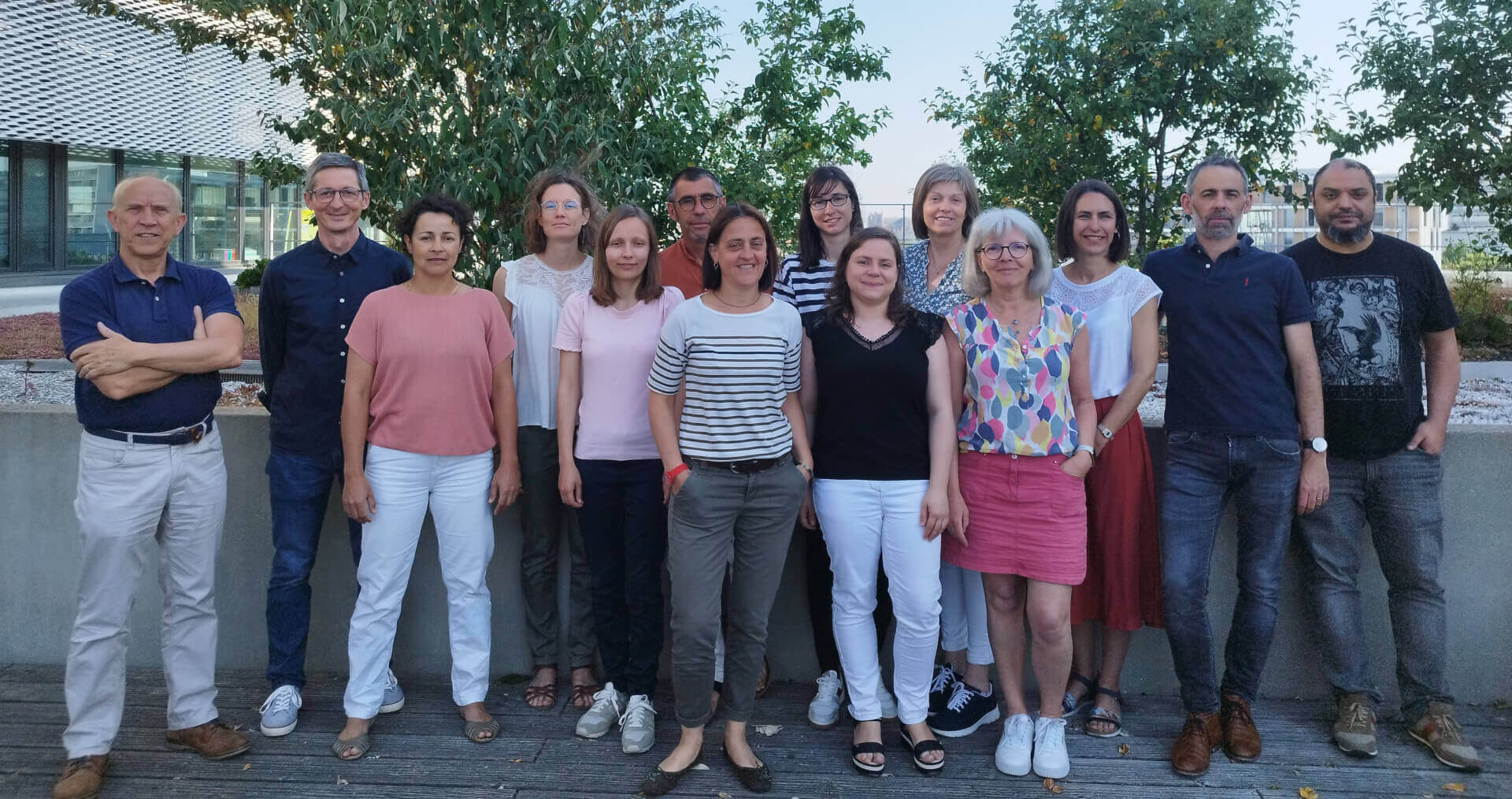
The research unit is structured around a director (P. Le Pape) and two deputy directors (P. Marchand and E. Batard) representing the departments of the research unit: Medical Mycology and Parasitology, Medicinal Chemistry and Bacterial Resistances. A secretary (C. Lhomelet) supports the management team.
The Department of Medical Mycology and Parasitology is supported by university and hospital-university staff, enabling it to focus on health-related issues. Research strategies benefit from expertise in cell culture, signalling, molecular biology, immunology applied to microbiology, recombinant protein production (P2R platform) and in vivo models. Its activities focus mainly on resistance issues and the discovery of new therapeutic targets.
The department of Medicinal Chemistry is involved in Drug Discovery, i.e. the design, synthesis, purification, structural elucidation and study of structure-activity relationships of original heterocyclic molecules as antifungal, antiparasitic and antibacterial drug candidates. The physicochemical and ADME-Tox properties of compounds of biological interest are also discussed in all the projects.
The Department of Bacterial Resistances studies how interactions between the host, its microbiota and drugs (particularly anti-infective drugs, but not exclusively) influence bacterial resistance to antibiotics. We are working in particular on digestive colonisation by multi-resistant Enterobacteriaceae, and are testing the possibility of treating this colonisation with live bacteria ('probiotics') or polysaccharides ('prebiotics'). We are also working on improving the use of antibiotics, with the aim of ensuring effective treatment of bacterial infections (particularly pneumonia and community-acquired urinary tract infections) while minimising the risk of emergence, persistence and spread of multi-resistant bacteria.
3 research themes
The scientific project is structured around three cross-disciplinary themes, which are led by pairs of researchers. The exploration of these three themes calls on the multidisciplinarity of the three departments.
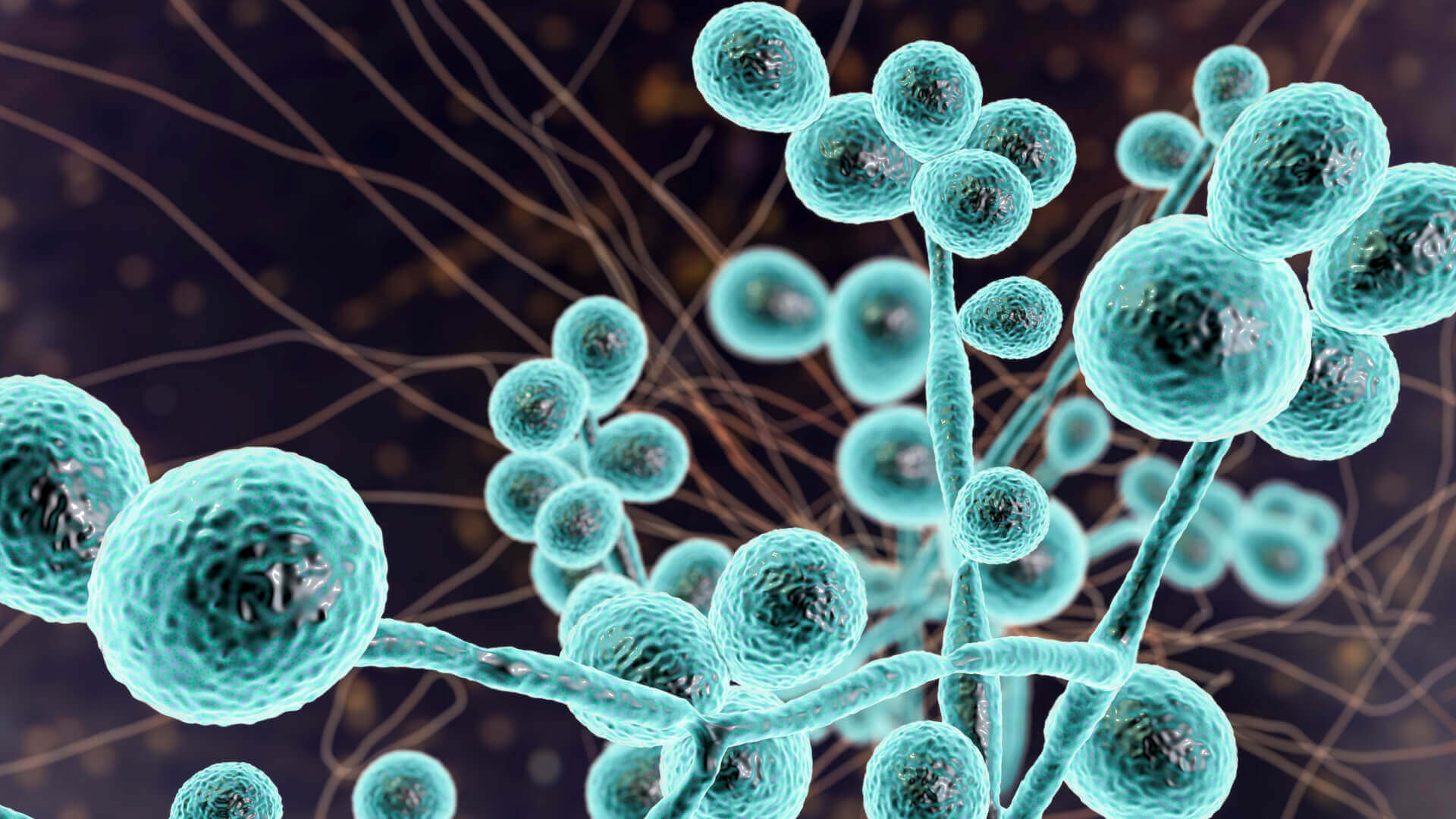
The "One Health" approach is a synergistic approach based on the interaction of human, animal and environmental healthcare into a single entity: One Health. We need to improve our knowledge and enrich the current approaches developed by UR 1155 in order to explore our unit's historical models and deal with potentially emerging infections.

Antimicrobial resistance and fungal and bacterial persistence are increasing significantly worldwide and are major public health issues. Dealing with these issues requires integrated, interdisciplinary approaches to understanding the factors that determine the development of these phenomena. Based on the IICiMed laboratory's strategic plan, the Immunity, Microbiota and Persistence theme takes into account the clinical, field and therapeutic targeting data obtained by the "One Health approach to the study of persistence" and “Targets and new therapeutic approaches” themes. The main goal is to explore, in an integrated way, the links between resistance, microbiota and immunity that are associated with the human persistence of fungal pathogens and bacteria, multi- and highly resistant to antibiotics and antifungals.
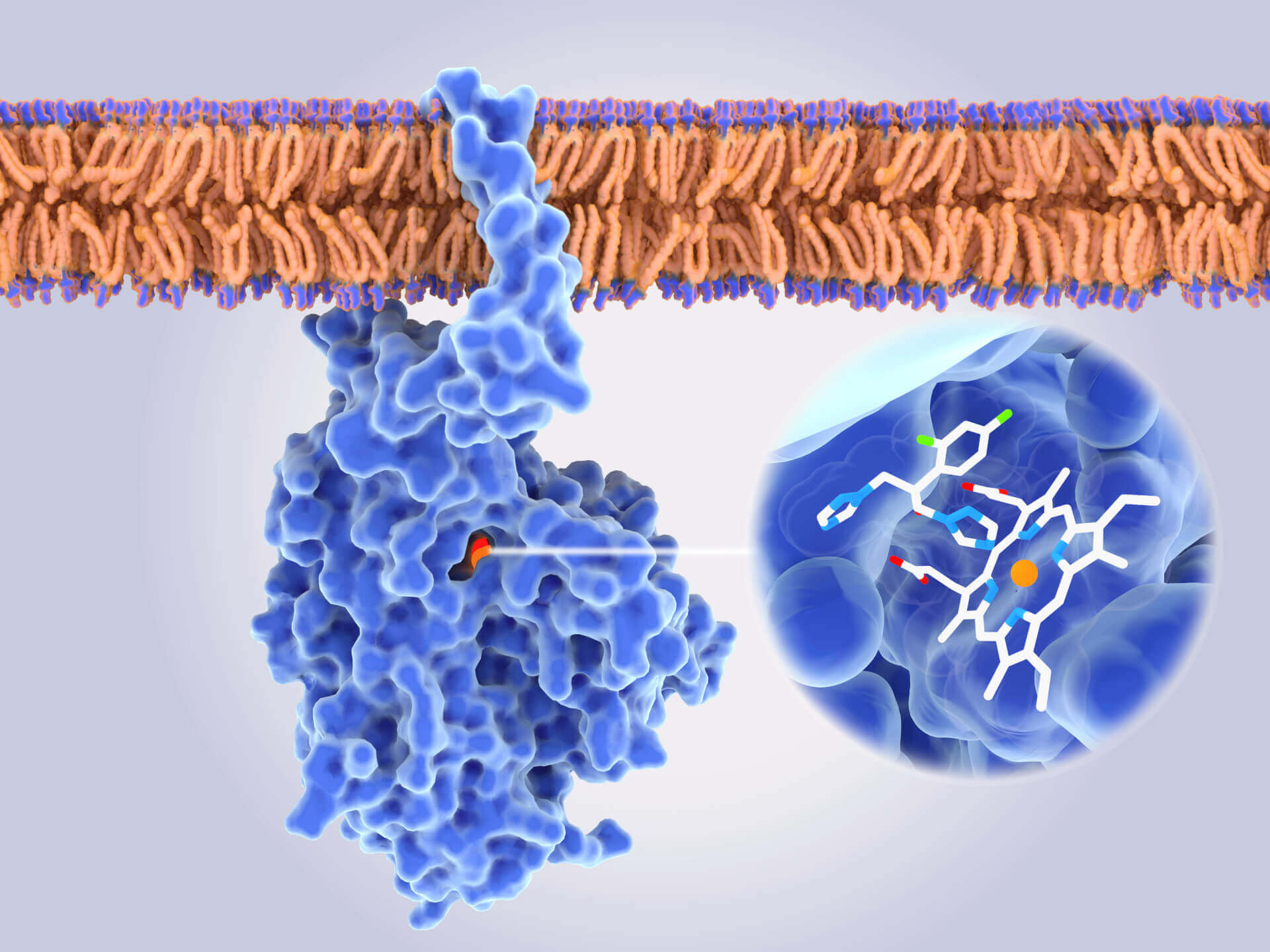
Current treatments for fungal infections are limited by antifungal resistance, toxicity and drug interactions. To overcome these limitations, new targets need to be identified for the development of antifungal compounds, which could improve our therapeutic arsenal. Our work focuses on several converging strategies: Targeting the interaction between cochaperones and Hsp90 and the calmodulin/calcineurin axis, including Crz1 and FKS. Targeting the CaPkc1 protein kinase, the protein kinase C involved in MAPK pathways, which regulates cell wall integrity during growth, morphogenesis and the response to parietal stress. Deciphering resistance mechanisms that may emerge by developing a method for anticipating the emergence of resistance in Candida (CasPER, Cas9-mediated Protein Evolution Reaction). The use of new tools for addressing active ingredients (self-immolative platforms). These are also being developed to address the problem of antibacterial resistance (ESBL, BMR), particularly in bacteria colonising the intestinal microbiota. Similarly, current treatments for leishmaniasis face the same limitations as antifungal agents (resistance, toxicity) and are few in number. Our strategy is to build, with our partners (Institut Pasteur, BioCIS, Paris) in the ANR TEXLEISH project, a new line of treatments common to the different species/clinical aspects by developing inhibitors of Leishmania CK1.
Upcoming lab events
The latest news
2025-11-27
Scientific mobility & conferences CAPES-COFECUB Project Brazil–France, November 27 to December 6, 2025 – Dr. R.-A. Lavergne & Prof. F. MorioAs part of the Capes-Cofecub scientific project Me1080/25 (Brazil–France), Dr. Rose-Anne Lavergne and Prof. Florent Morio will travel to Brazil from November 27 to December 6, 2025.
They will first go to Belo Horizonte, Minas Gerais, and then to the Botucatu Campus, São Paulo.
They will give two lectures at the Brazilian Network Meeting: Aspergillus fumigatus Antifungal Resistance – Protecting Health in the Face of Agricultural Pressures (from December 3 to 5, 2025, at UNESP Botucatu Campus, São Paulo, Brazil) on the topics:
"Clinical cases of Aspergillus fumigatus in France and adopting a One Health approach" (Dr. R.-A. Lavergne),
and "The Candida parapsilosis case – antifungal resistance under One Health. Brazilian Network Meeting for antifungal resistance in Aspergillus fumigatus: protecting health in the face of agricultural pressures" (Prof. F. Morio).
2025-10-22
Action ANR Fungisol - Grand public - Les mystères du solDans le cadre du projet ANR FungiSol porté par Isabelle Ourliac-Garnier et du partenariat avec le Pôle Séquoia de la mairie de Nantes, Rose-Anne Lavergne, Marjorie Albassier, Thomas Ferran et Auriane Fraix animeront un atelier pour des enfants (et leurs parents ), le 22 octobre 2025 de 14h à 17h.
Toutes les informations sont ici : https://metropole.nantes.fr/que-faire-nantes/agenda/atelier-enfants-parents-les-mysteres-du-sol-8497404
2025-10-16
Celebrating 10 years of scientific collaboration and cultural exchange within the Capes-Cofecub program!We were delighted to take part in the REC’n’Play event in Recife, Brazil (https://recnplay.pe/), contributing to a rich roundtable discussion on innovation in healthcare, exploring new opportunities and perspectives for partnerships between Brazil and France.
Presentation available here: https://uncloud.univ-nantes.fr/index.php/s/eRFxQnbqxw3Ktjk
It was also a great pleasure to share our latest research results on Leishmania CK1 inhibitors (Prof. Pascal Marchand), but also Candida auris (Dr. Isabelle Ourliac-Garnier) during a seminar of the Postgraduate Program in Therapeutic Innovation (PPGIT) at Universidade Federal de Pernambuco, thanks to the kind invitation of Prof. Teresinha Silva and Prof. Moacyr Jesus Barreto de Melo Rêgo.
These 10 years have been marked by inspiring mobilities and fantastic outcomes:
📚 Numerous publications and conference presentations
🎓 7 cotutelle PhD students
🧑🔬 4 postdoctoral researchers
🌎 3 MedChem scientific events involving 6 brazilian institutions
A heartfelt thank you to all partners and collaborators who made this journey possible — and to the next decade of shared discoveries and innovation! 😀 🚀
The institute
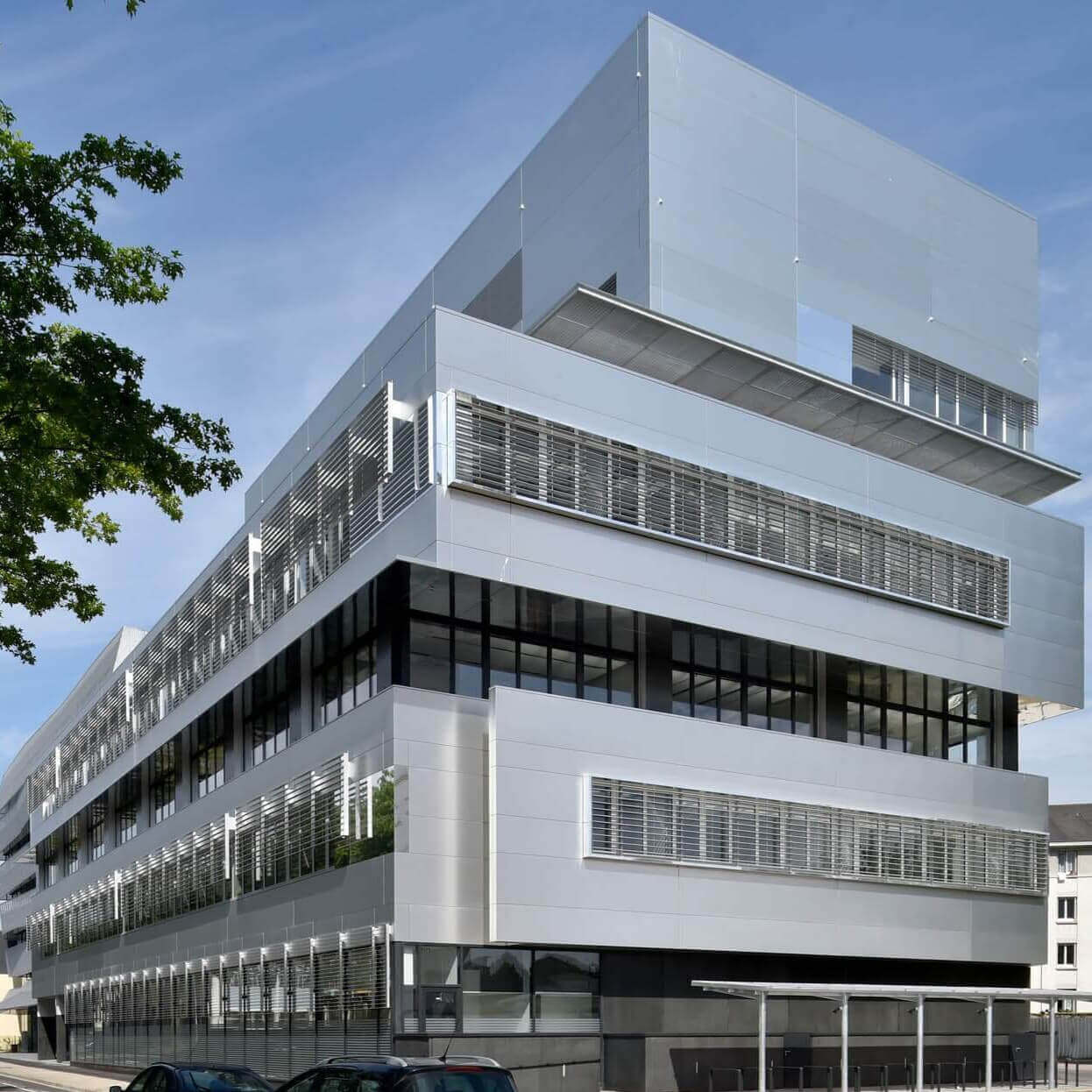
Since June 2016, the laboratory has been housed in a 1000 m2 space on the 1st and 2nd floors of the Institut de Recherche en Santé 2 (IRS2). IRS2 is a 5,600 m2 building that will serve as a precursor to the new university hospital complex on the Ile de Nantes, due to open in 2026. The UR 1155 laboratory also uses the L2 animal house on the ground floor of IRS2.