About us
Platforms and resources centres
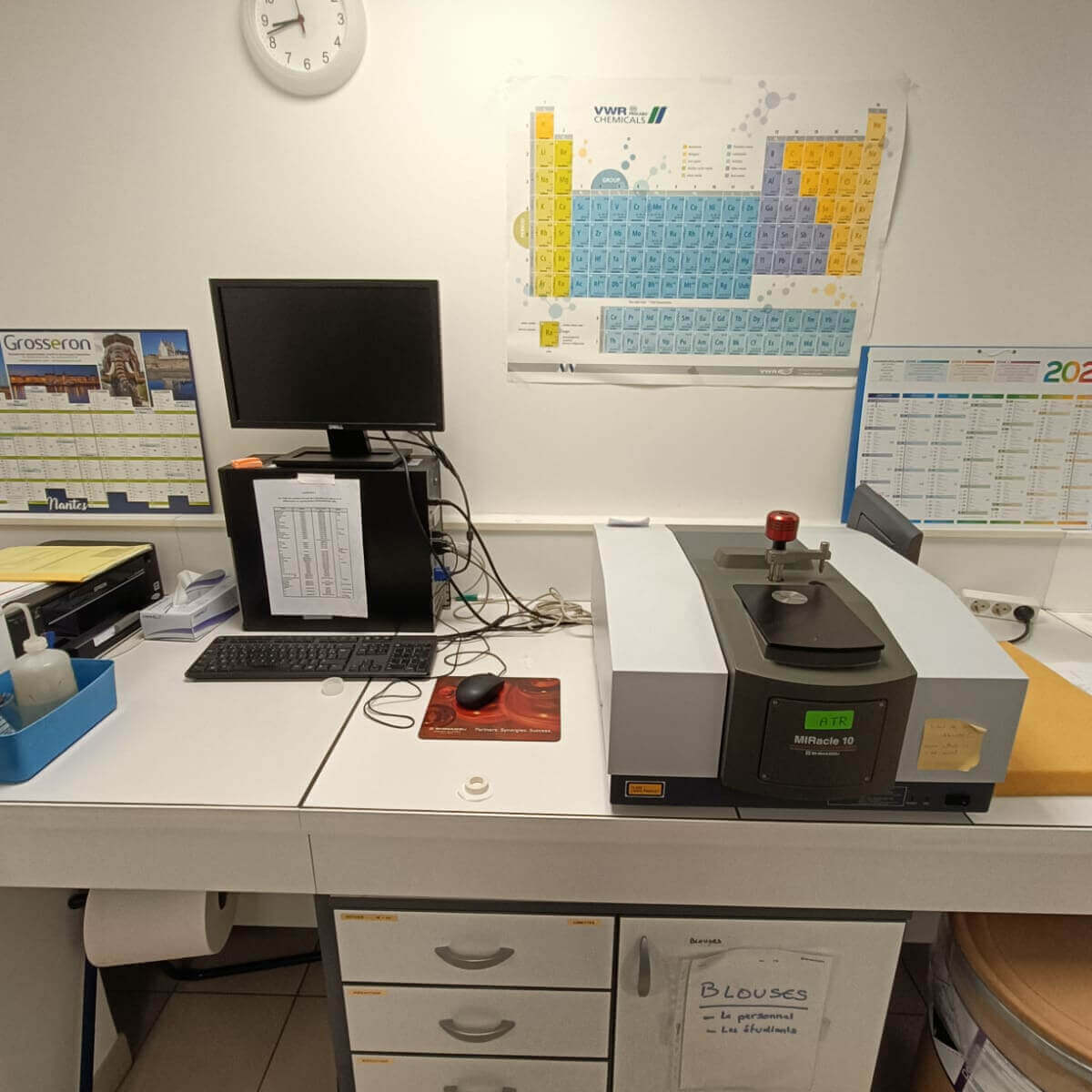
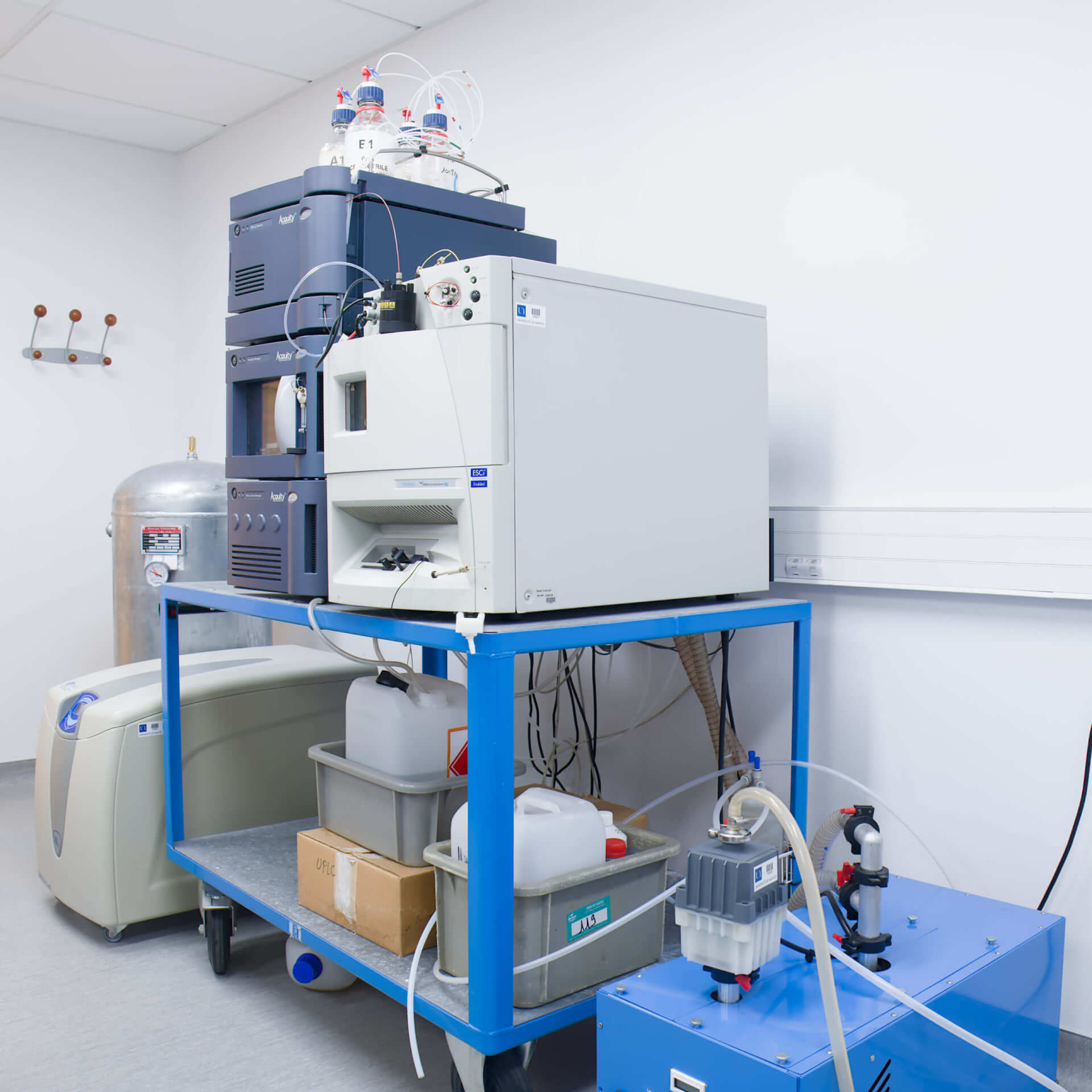
Equipments in chemistry
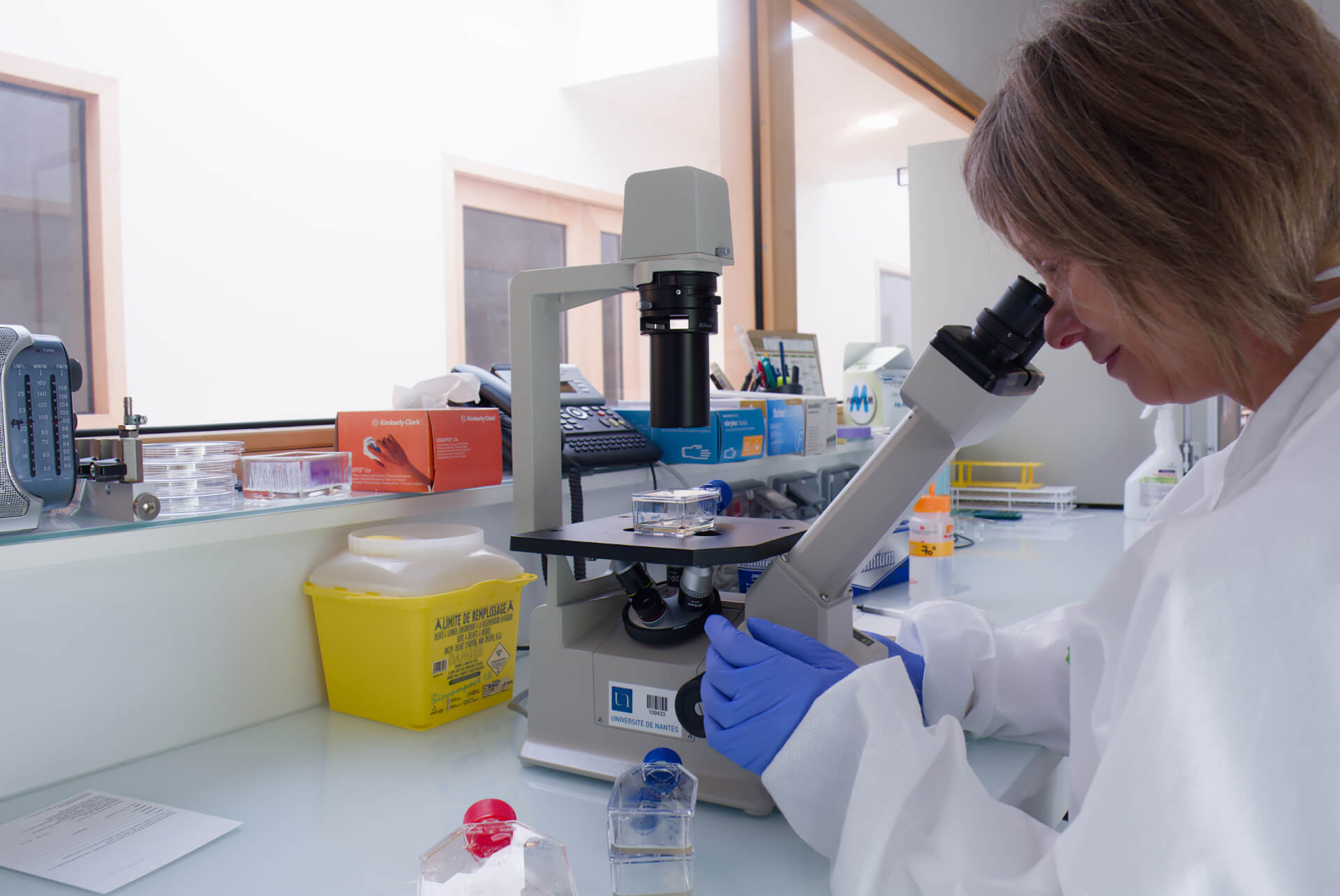
Infectiology
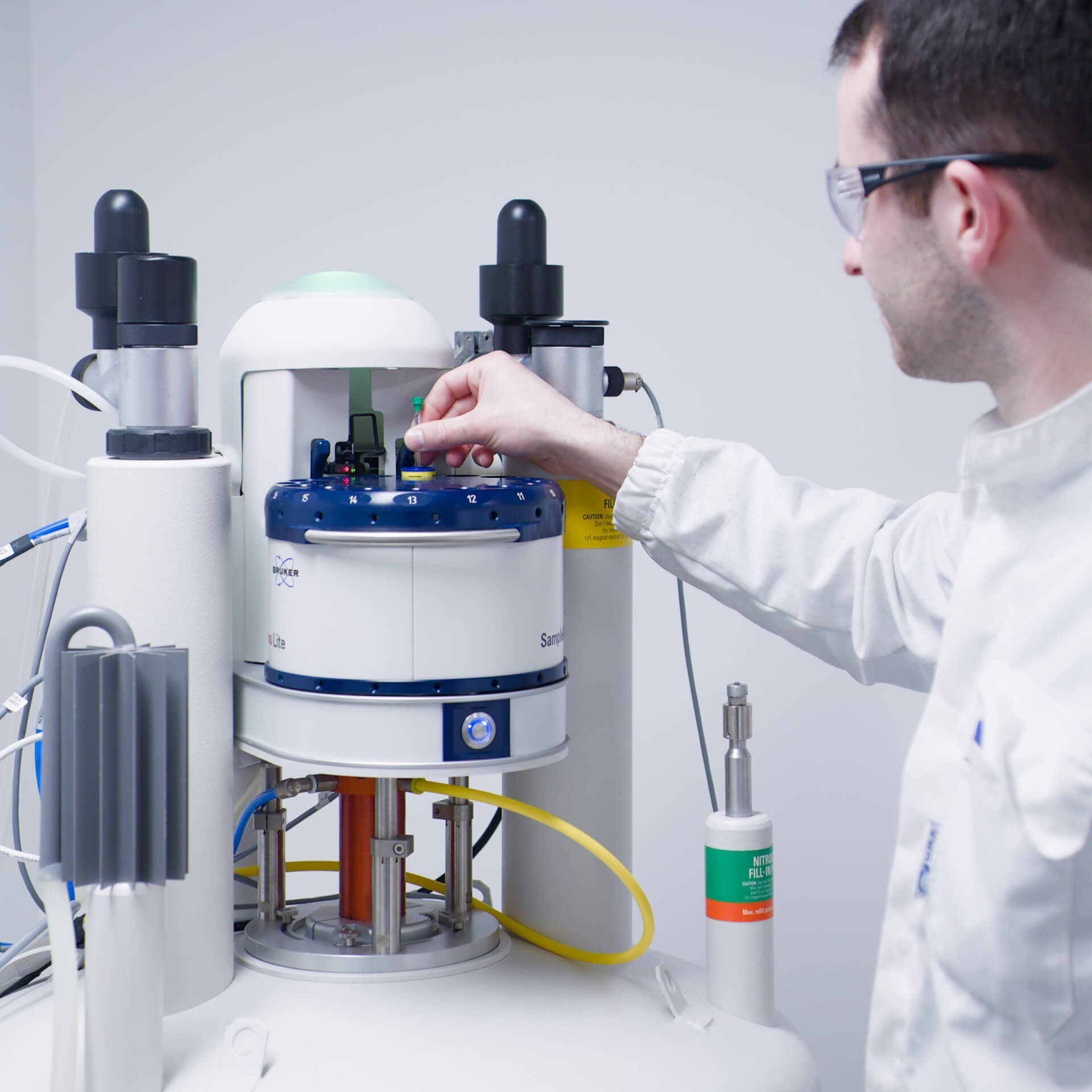
The work carried out by the departments involved in infectiology uses approaches based on cell culture, molecular biology (PCR, sequencing, transfection, CRISPER Cas9), immunology (ELISA, Western blot), biochemistry (Expression, Recombinant protein), etc. The departments also have access to the platforms of the Structure Fédérative de Recherche Bonamy (https://sfrsante.univ-nantes.fr/fr/plateformes), of which UR 1155 - IICiMed is a member.
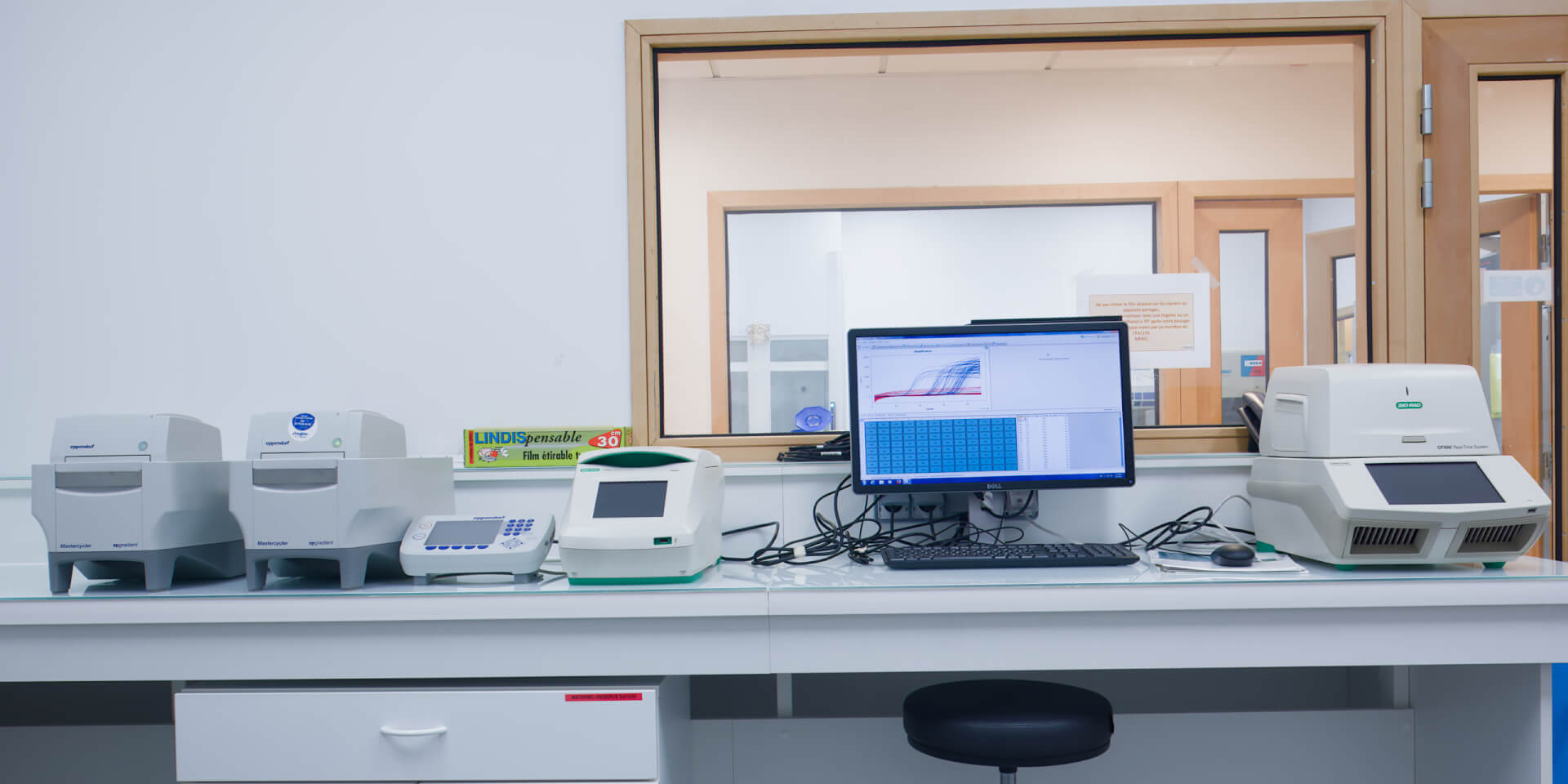
Fungiline Screen platform
The platform enables the evaluation of new antiparasitic and/or antifungal compounds from the fundamental to the preclinical stage. The semi-automated in vitro technique developed in the laboratory enables drug candidates to be rapidly screened against sensitive and resistant isolates. At the same time, an in vitro toxicity assessment on murine and human lines is carried out in order to determine a therapeutic index.
This enables compounds to be selected for in vivo studies (activity and toxicity) on Galleria mellonella larvae and rodent models in conjunction with the UTE IRS2 (https://sfrsante.univ-nantes.fr/fr/plateformes). The identification of the mechanism of action of the compounds is based on a bank of yeast mutants and immunobiochemical approaches. The diversity of pathogenic species involved in the evaluation is made possible by the establishment of a biobank (see below) containing a large number of strains of parasitic, fungal and bacterial infectious agents.
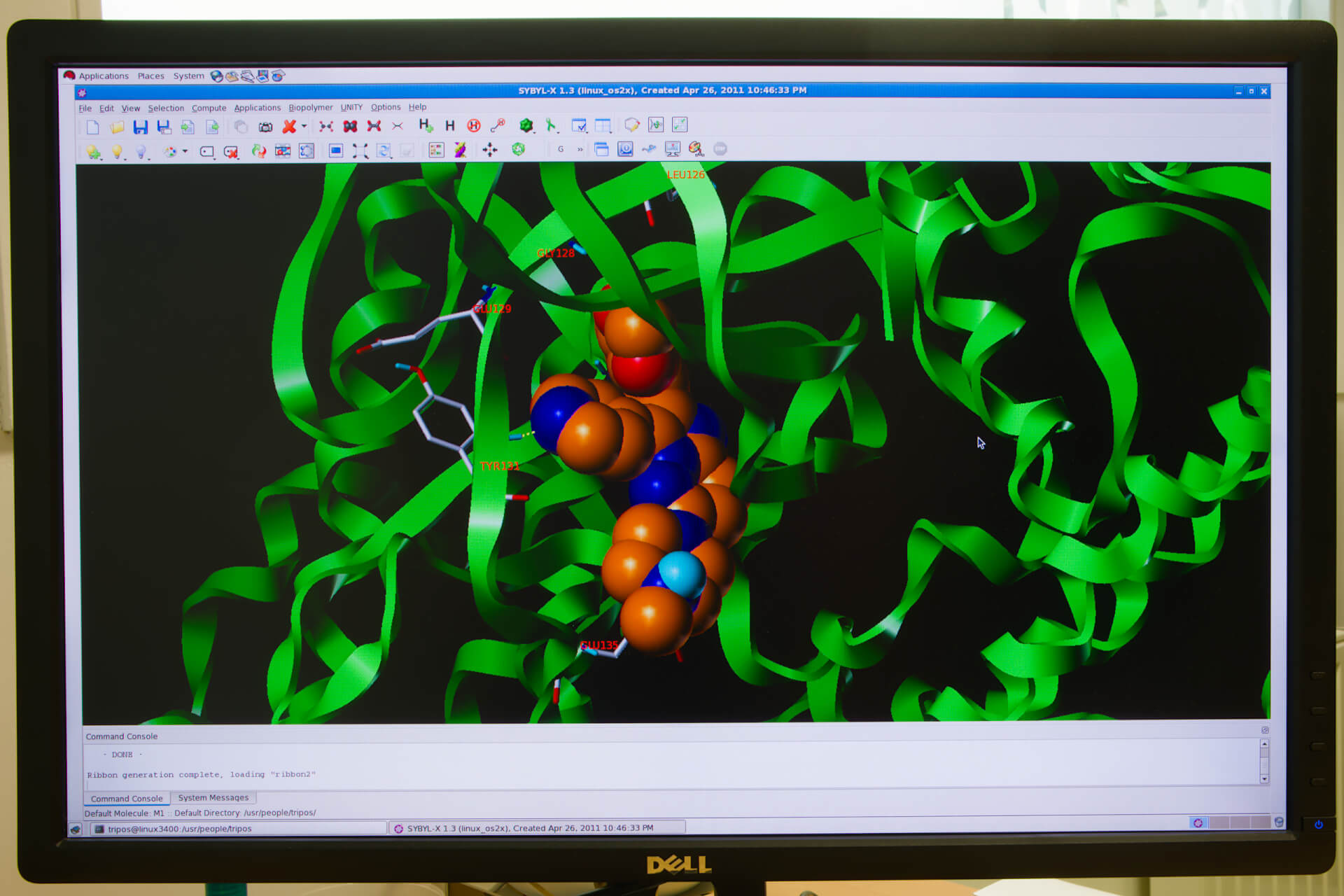
Molecular modelling platform
This platform provides access to a range of tools (homology modelling, docking, conformational analysis, calculation of physico-chemical parameters of organic molecules, QSAR-3D studies) for constructing, visualising (3D) and analysing molecule-receptor interactions and helping to interpret structure-activity relationships.
Resources centres
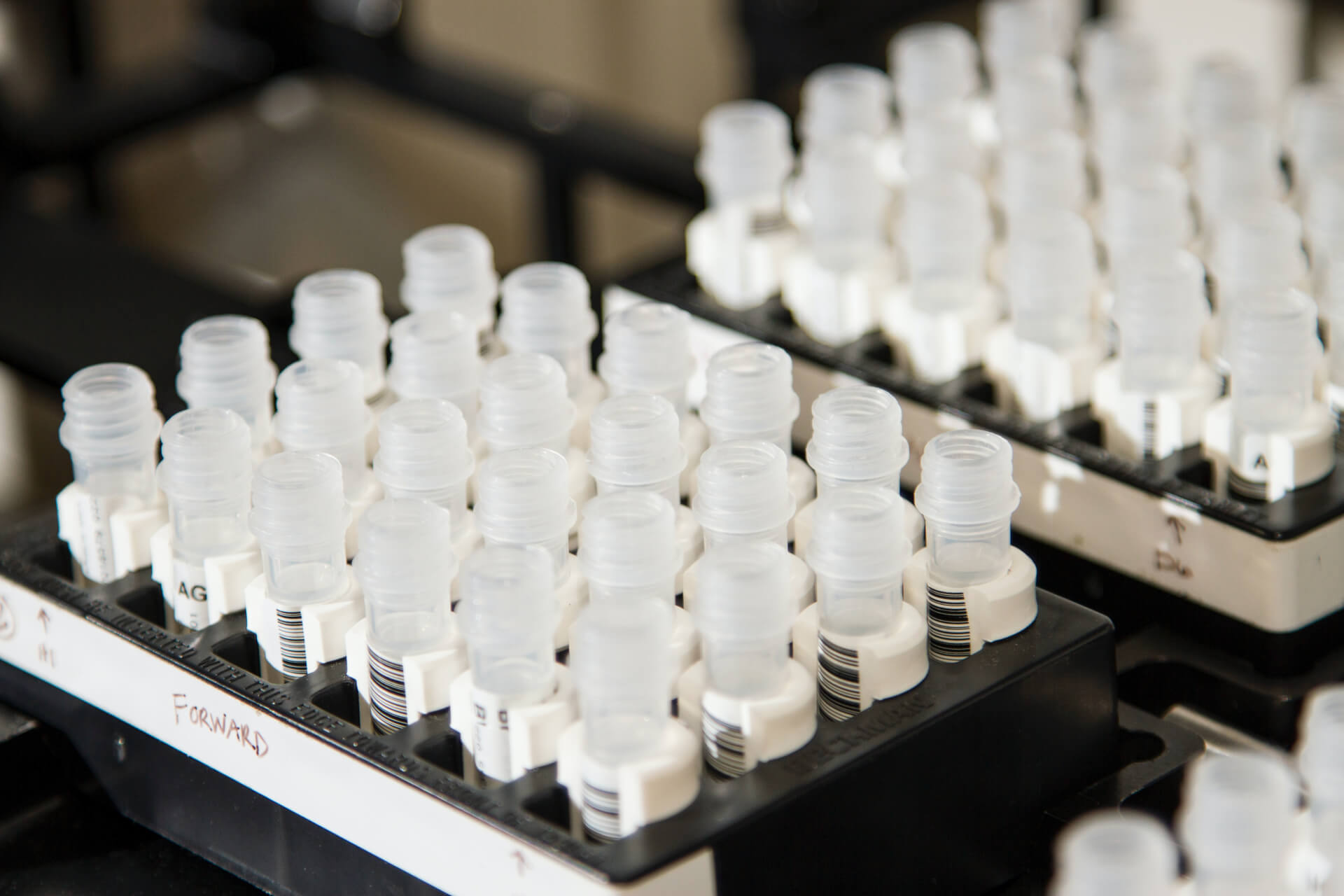
The chemical library
The Groupement De Service (GDS) "Chimiothèque Nationale (CN)" was set up in July 2003 under an agreement between the CNRS and 17 higher education and research bodies. The main mission of the Chimiothèque Nationale is to federate the collections of synthetic products and natural extracts existing in French public laboratories and to promote their scientific and industrial development. Our laboratory currently has "incubated" status. More than 900 of the 3,000 or so compounds synthesised are currently listed according to pre-defined criteria.
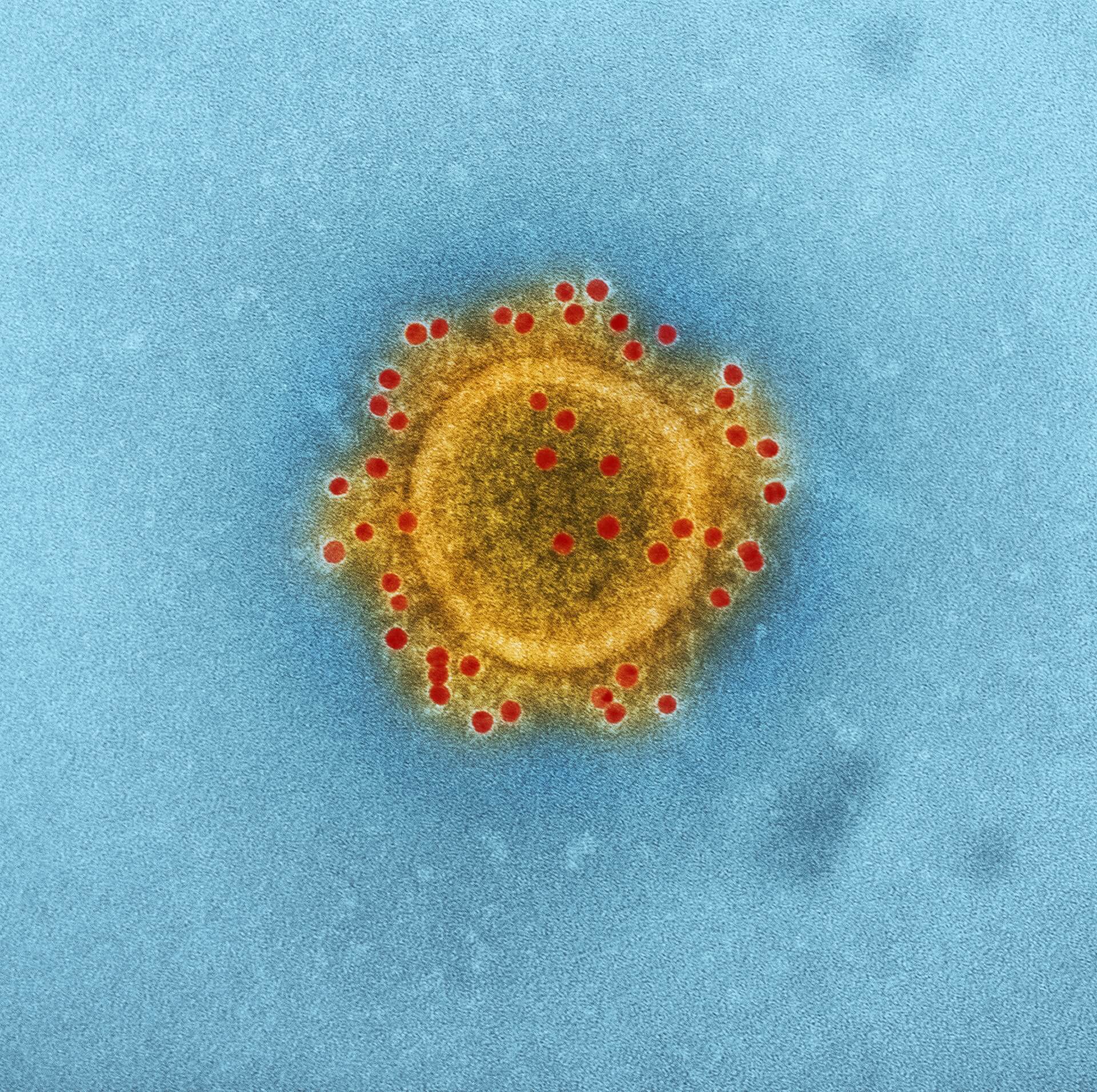
The biobank
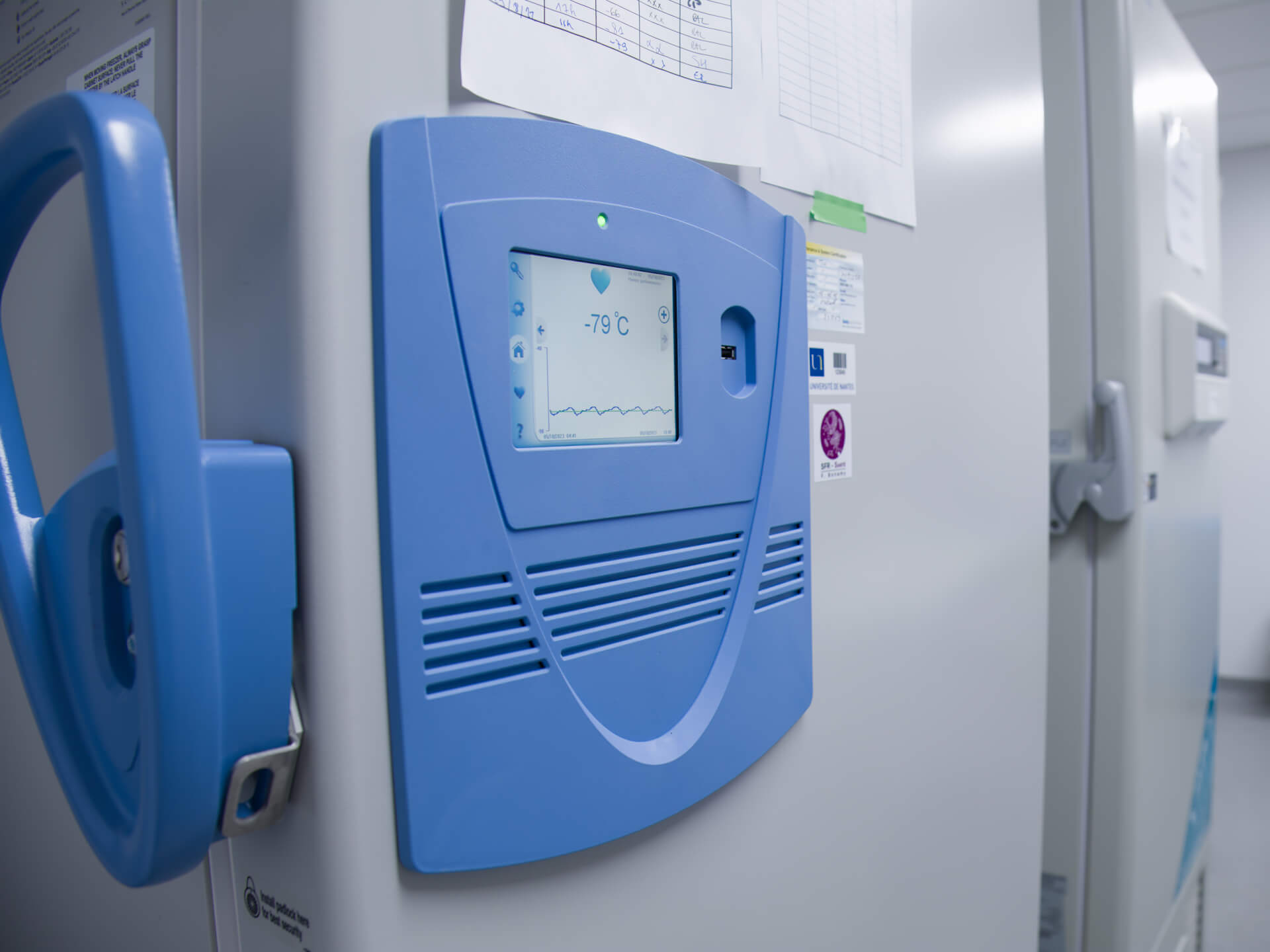
UR 1155's biobank centralises the storage and management of infectious agent strains and cell lines preserved under optimum conditions. The library has a liquid nitrogen storage system (-192°C) and a refrigerated storage system (4°C and -80°C). The strains or lines conserved are of fungal, parasitic, human or murine origin. More than 1,700 clinical isolates of fungi from the genera Candida, Aspergillus, Penicillium, Fusarium, mucorales, etc. are kept here. A bank of C. albicans mutants is also kept. Parasitic strains belong to various species of the Leishmania, Trypanosoma and Plasmodium genera. The mammalian lines are of human origin: myeloma (RPMI 8226, U26, NCI H929, etc.), chronic myeloid leukaemia (K562, etc.) or murine origin: lymphocytic clone (CTLL-2, etc.), fibroblasts (WEHI, MRC-5, etc.), macrophages (RAW264.7).