About us
Structure, staff and scientific orientations
The organisation
The research unit is structured around a director (P. Le Pape) and two deputy directors (P. Marchand and E. Batard) representing the departments of the research unit: Medical Mycology and Parasitology, Medicinal Chemistry and Bacterial Resistances. A secretary (C. Lhomelet) supports the management team.
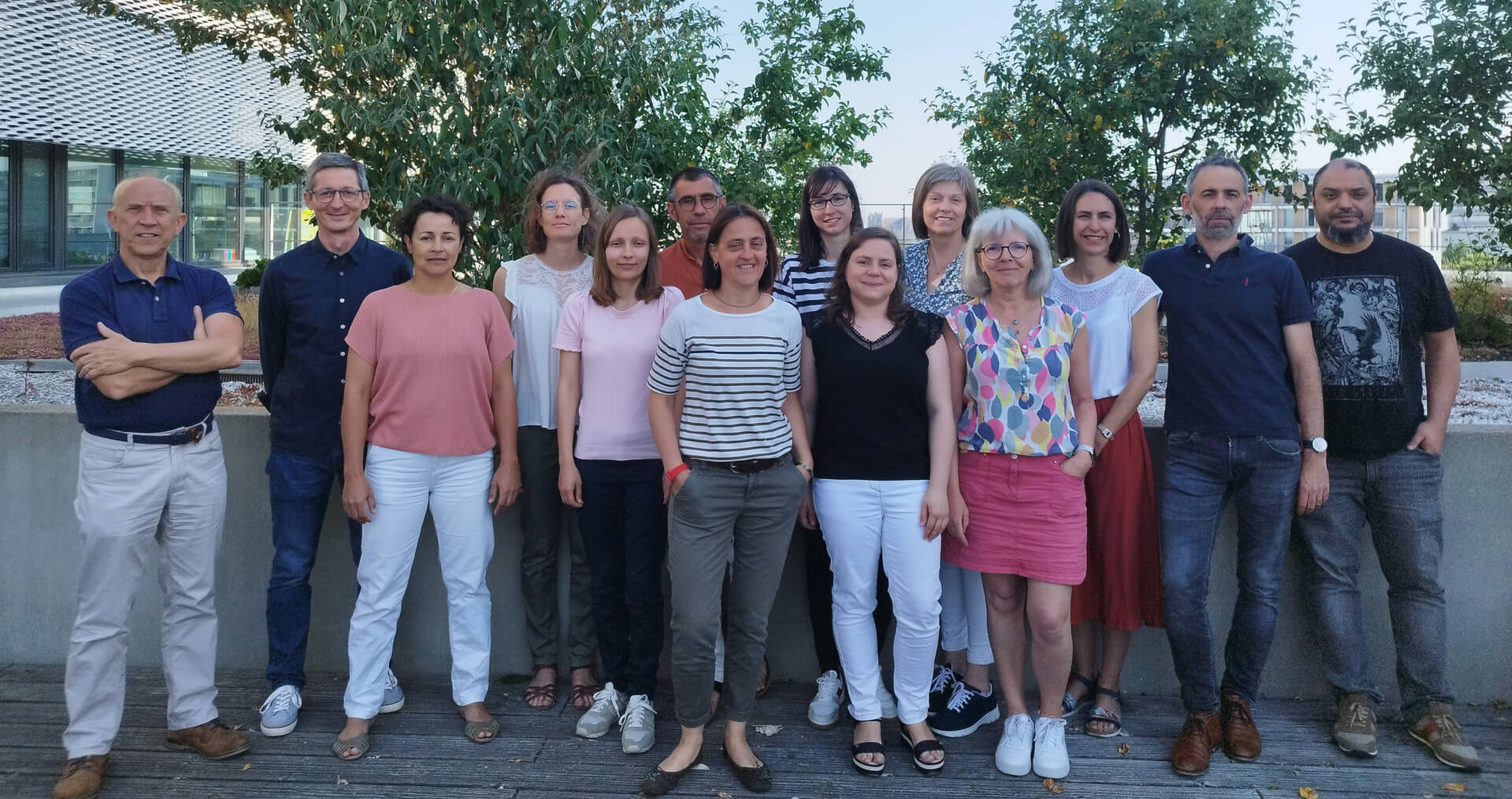
The Department of Medical Mycology and Parasitology is supported by university and hospital-university staff, enabling it to focus on health-related issues. Research strategies benefit from expertise in cell culture, signalling, molecular biology, immunology applied to microbiology, recombinant protein production (P2R platform) and in vivo models. Its activities focus mainly on resistance issues and the discovery of new therapeutic targets.
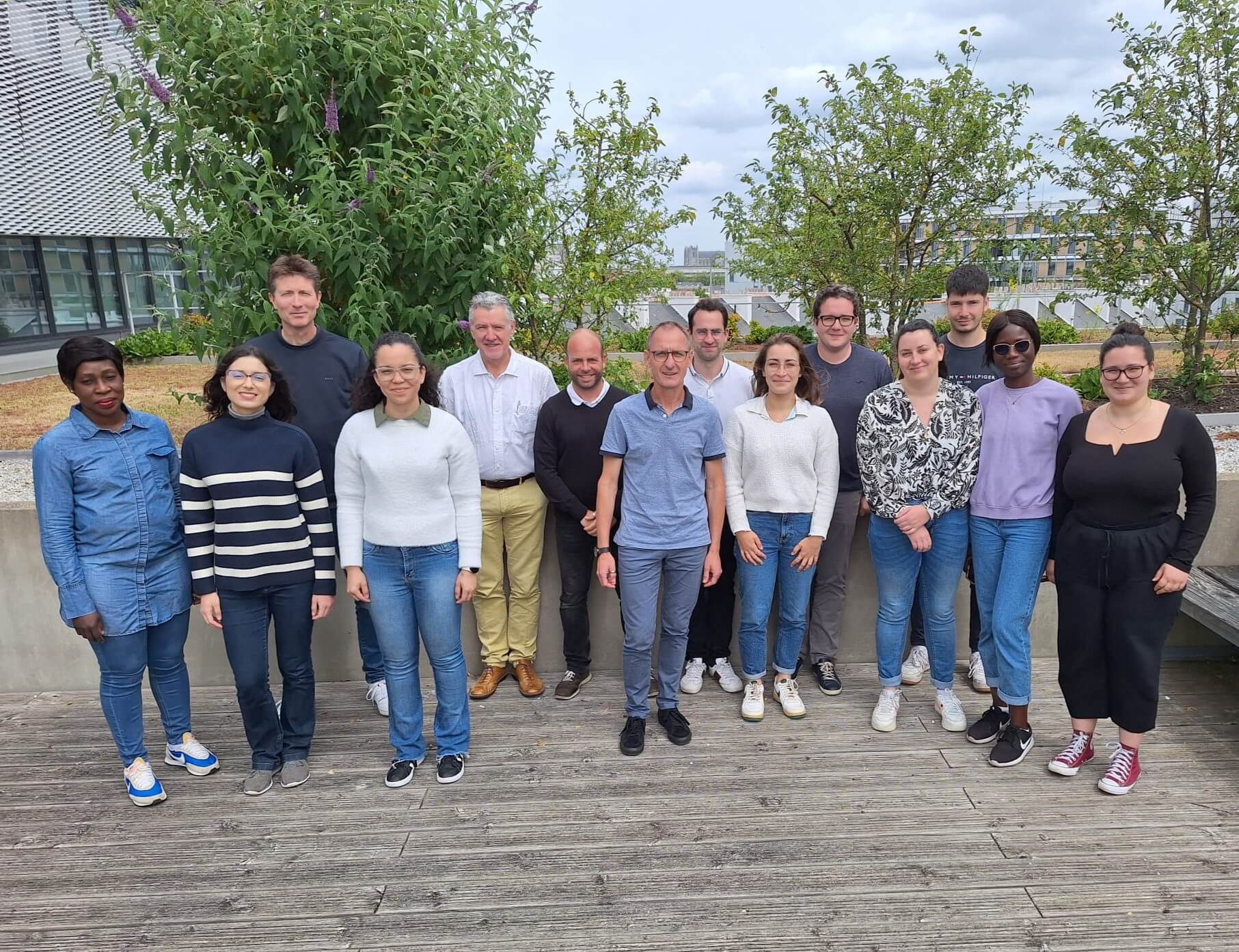
The department of Medicinal Chemistry is involved in Drug Discovery, i.e. the design, synthesis, purification, structural elucidation and study of structure-activity relationships of original heterocyclic molecules as antifungal, antiparasitic and antibacterial drug candidates. The physicochemical and ADME-Tox properties of compounds of biological interest are also discussed in all the projects.
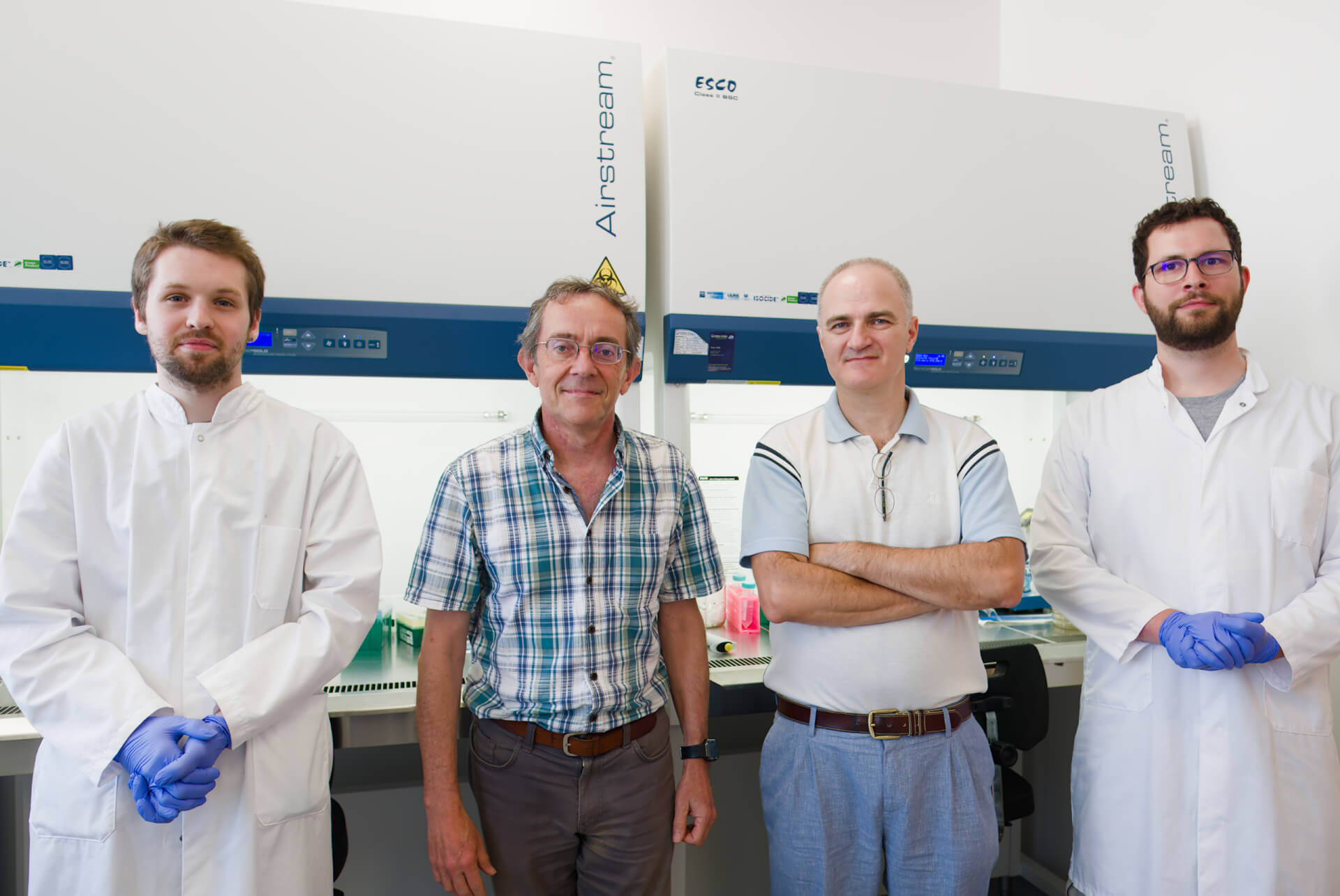
The Department of Bacterial Resistances studies how interactions between the host, its microbiota and drugs (particularly anti-infective drugs, but not exclusively) influence bacterial resistance to antibiotics. We are working in particular on digestive colonisation by multi-resistant Enterobacteriaceae, and are testing the possibility of treating this colonisation with live bacteria ('probiotics') or polysaccharides ('prebiotics'). We are also working on improving the use of antibiotics, with the aim of ensuring effective treatment of bacterial infections (particularly pneumonia and community-acquired urinary tract infections) while minimising the risk of emergence, persistence and spread of multi-resistant bacteria.
The scientific project is structured around three cross-disciplinary themes, led by pairs of researchers:
- P. Le Pape and F. Morio for "The One Health approach to the study of persistence", - N. Alvarez-Rueda and E. Batard for "Immunity, microbiota and persistence", - P. Marchand and F. Pagniez for "Targets and new therapeutic approaches". The exploration of these three themes calls for multi-disciplinarity between the three departments.
The staff
The laboratory is staffed by 49 people divided into 3 departments: Medical Mycology and Parasitology (15), Medicinal Chemistry (16), Bacterial Resistances (17) and a secretary: 20 Teacher-researchers (7 Professors-Hospital Staff, 4 Professors, 4 Associate Professors, 2 Assistant Professors, 3 Assistant Professors-Hospital Staff), 3 Hospital Staff, 2 University Hospital Staff, 1 University Hospital Assistant, 1 PhD Engineer, 1 Associate Researcher, 1 Visiting Scientist, 9 technical/administrative staff, 10 PhD students and 1 Post-doctoral student.
Scientific objectives
To maintain a multidisciplinary and complementary approach to research in infectiology, based on issues arising from the hospital activities of some of the teaching and research staff. To improve understanding of the mechanisms of persistence and resistance using complementary approaches in a One Health approach that includes pathogens alone or in microbiota and the host response. Identifying therapeutic targets, particularly in wall integrity systems and stress resistance, for the design of anti-infective drug candidates. Develop innovative therapeutic approaches that can be transferred to value-adding structures.