Research themes
One Health approach and persistence
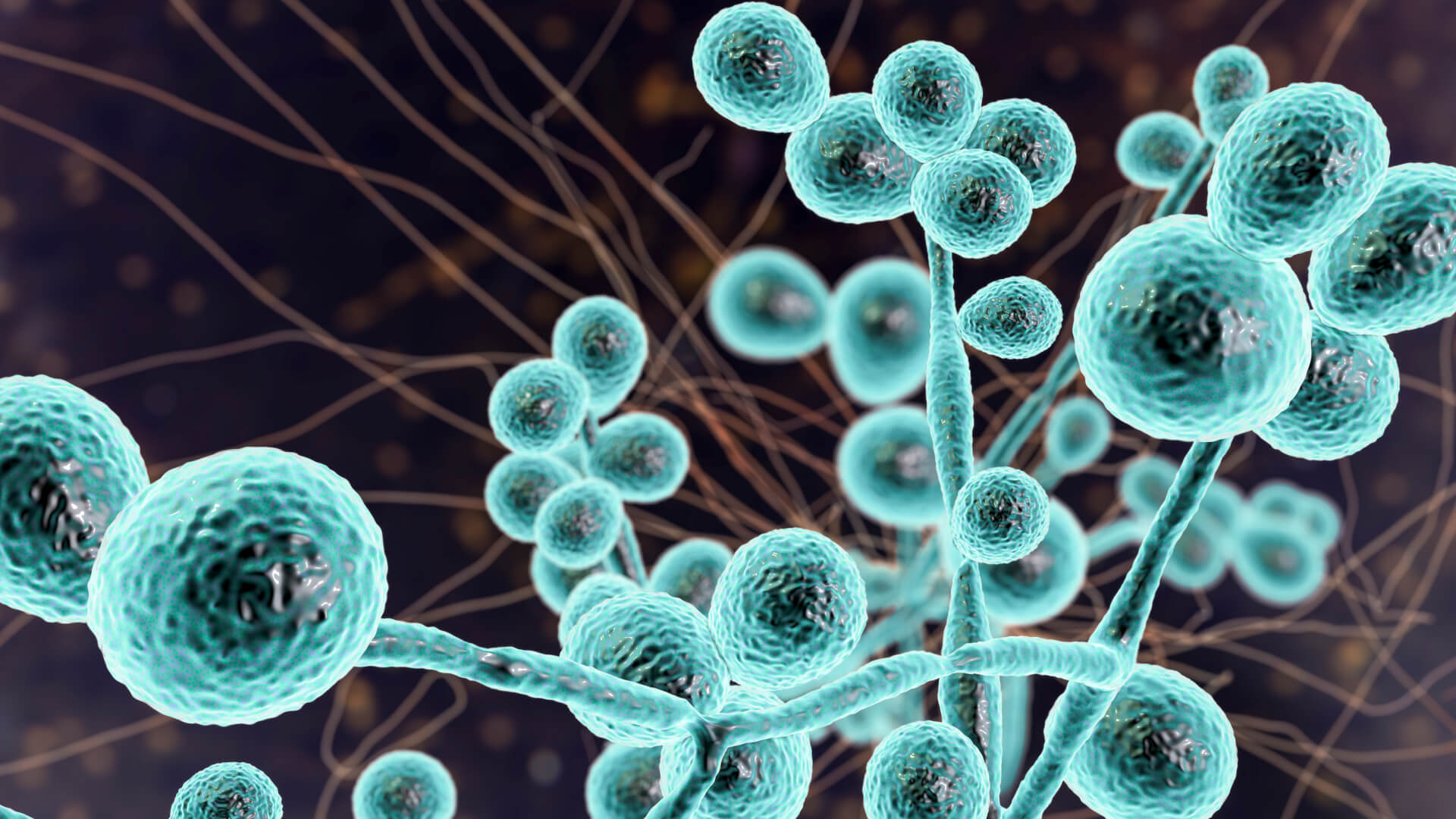
The "One Health" approach is a synergistic approach based on the interaction of human, animal and environmental healthcare into a single entity: One Health. We need to improve our knowledge and enrich the current approaches developed by UR 1155 in order to explore our unit's historical models and deal with potentially emerging infections.
Research areas
Line 1:
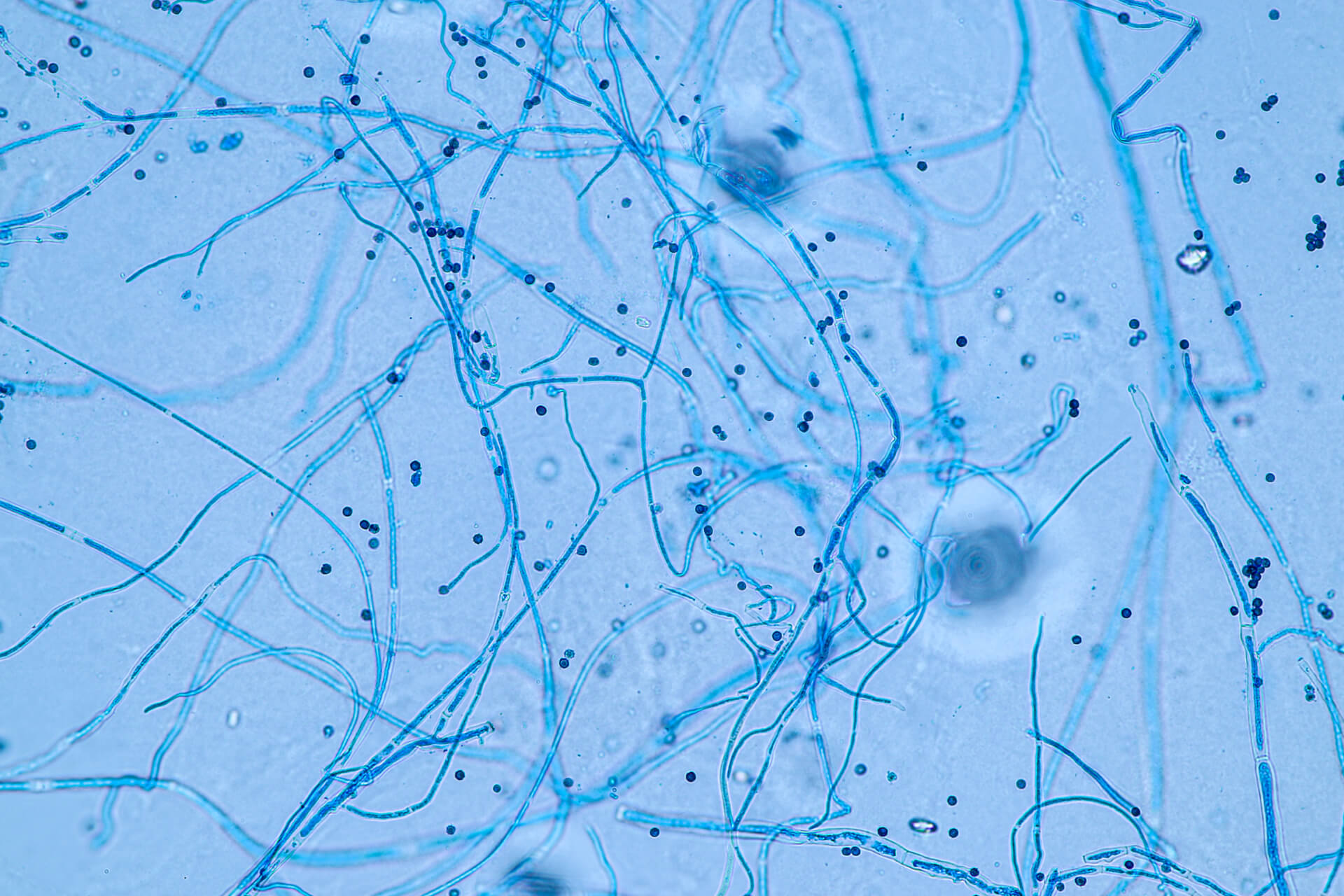
Aspergillus resistance of environmental origin: a challenge for patient management
Following the environmental data on Aspergillus fumigatus previously collated by our team in France (https://pubmed.ncbi.nlm.nih.gov/25918139/, https://pubmed.ncbi.nlm.nih.gov/27682064/) and Colombia (https://pubmed.ncbi.nlm.nih.gov/26690795/, https://pubmed.ncbi.nlm.nih.gov/28358115/, https://pubmed.ncbi.nlm.nih.gov/30896313/), the transmission hot spots have yet to be elucidated.
Line 2:
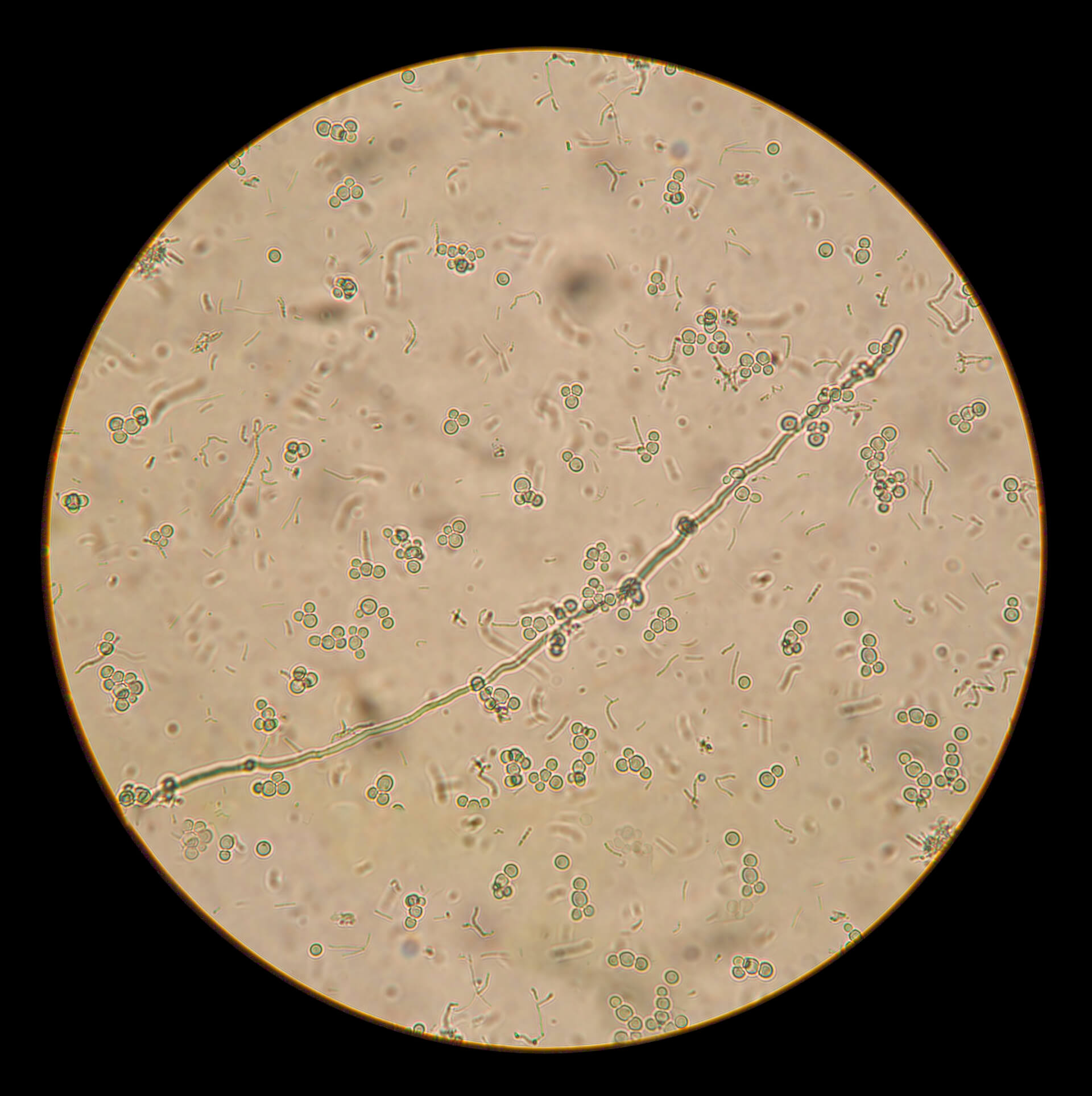
One Health approach to the emergence of Candida auris and other yeasts
Following our description of the first cases of Candida auris in Colombia (https://pubmed.ncbi.nlm.nih.gov/29421668/), the susceptibility of this species (https://pubmed.ncbi.nlm.nih.gov/35227828/) and its mortality (https://pubmed.ncbi.nlm.nih.gov/37108885/), our team will also be looking at the environment and the veterinary world as a potential reservoir of pathogenic yeasts for humans, an area that has been little explored until now (https://pubmed.ncbi.nlm.nih.gov/32356255/). Attention will also be paid to the impact of resistance on the fitness of strains, which may result in a change in the selective value of the fungus and therefore have an impact on patient care, which will require special investigation using A. fumigatus as an example.
Line 3:
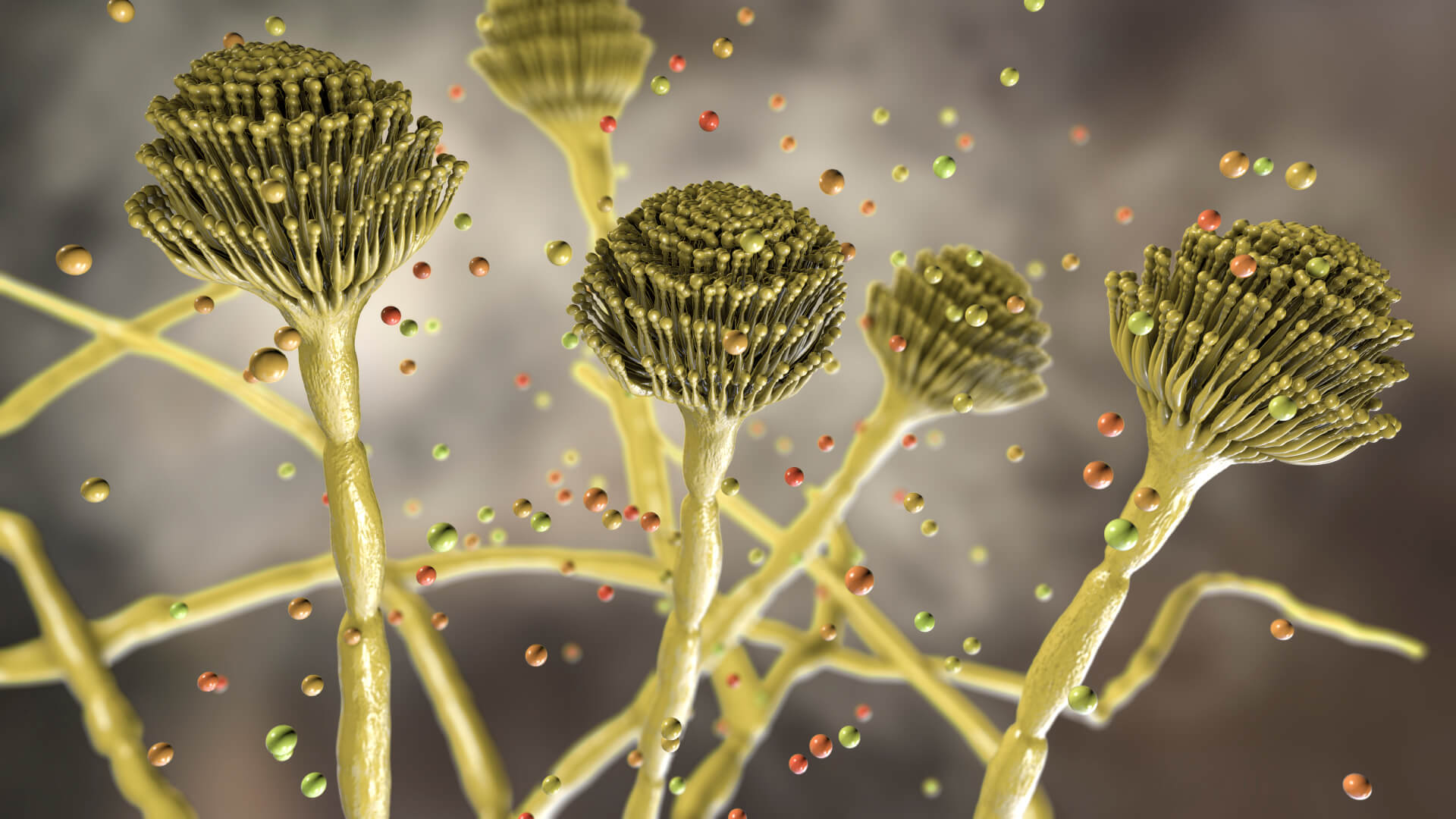
Drivers of resistance to ATFs and biological consequences
This part of the project aims to provide proof of concept on the existence of new drivers of antifungal resistance, constituting a new form of collateral damage. Experimentally, this project will be based on in vitro selection experiments and screening of molecules capable of affecting the activity of antifungals (checkerboard technique).

Line 4:
Pharmacoepidemiological study of the relationship between antibiotic/antifungal consumption and resistance in a One Health approach
With the integration of the MiHAR team, the study of the relationship between antibiotic consumption and antibiotic resistance can be continued and extended to antifungals.
Other themes

Antimicrobial resistance and fungal and bacterial persistence are increasing significantly worldwide and are major public health issues. Dealing with these issues requires integrated, interdisciplinary approaches to understanding the factors that determine the development of these phenomena. Based on the IICiMed laboratory's strategic plan, the Immunity, Microbiota and Persistence theme takes into account the clinical, field and therapeutic targeting data obtained by the "One Health approach to the study of persistence" and “Targets and new therapeutic approaches” themes. The main goal is to explore, in an integrated way, the links between resistance, microbiota and immunity that are associated with the human persistence of fungal pathogens and bacteria, multi- and highly resistant to antibiotics and antifungals.
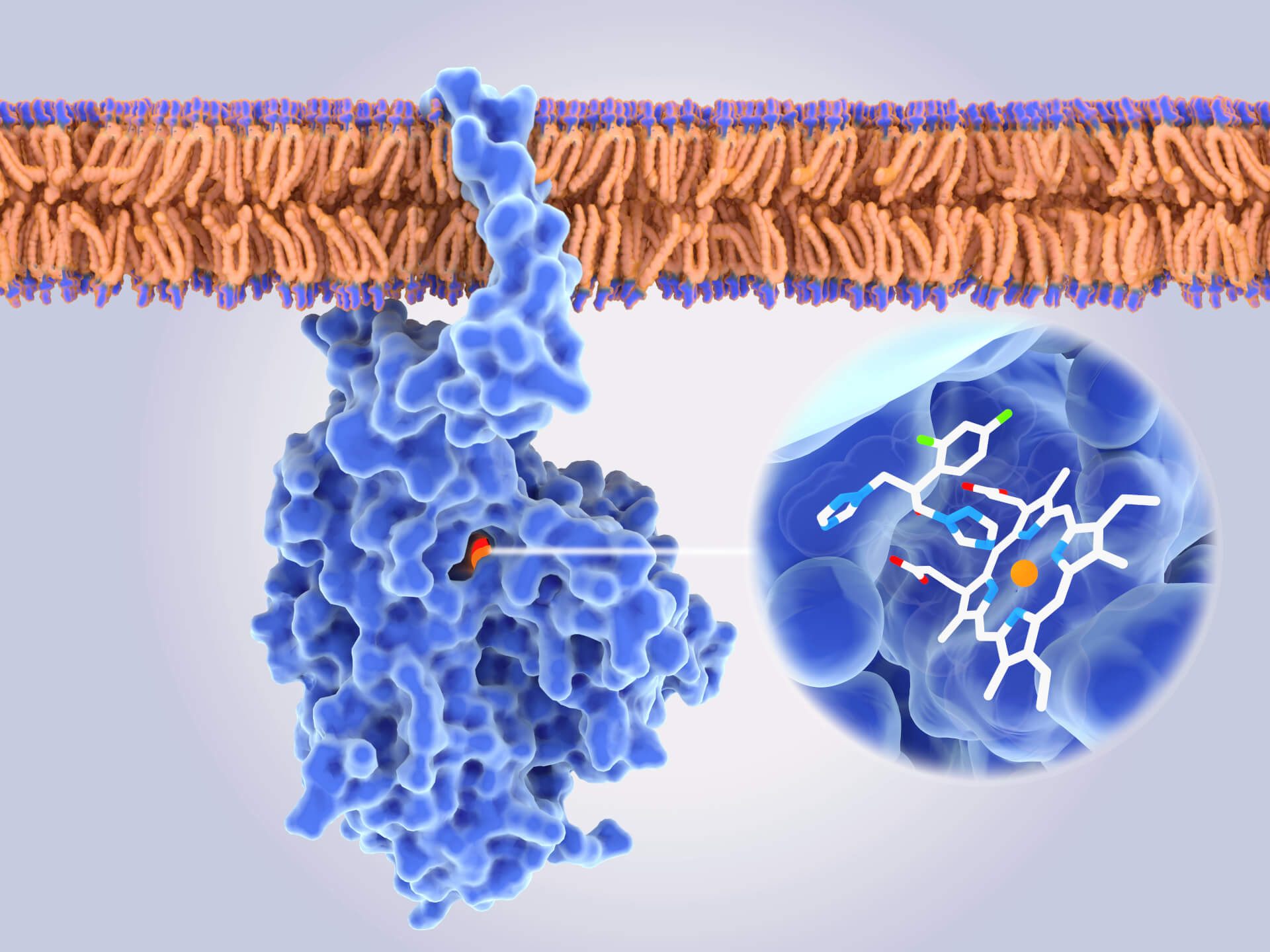
Current treatments for fungal infections are limited by antifungal resistance, toxicity and drug interactions. To overcome these limitations, new targets need to be identified for the development of antifungal compounds, which could improve our therapeutic arsenal. Our work focuses on several converging strategies: Targeting the interaction between cochaperones and Hsp90 and the calmodulin/calcineurin axis, including Crz1 and FKS. Targeting the CaPkc1 protein kinase, the protein kinase C involved in MAPK pathways, which regulates cell wall integrity during growth, morphogenesis and the response to parietal stress. Deciphering resistance mechanisms that may emerge by developing a method for anticipating the emergence of resistance in Candida (CasPER, Cas9-mediated Protein Evolution Reaction). The use of new tools for addressing active ingredients (self-immolative platforms). These are also being developed to address the problem of antibacterial resistance (ESBL, BMR), particularly in bacteria colonising the intestinal microbiota. Similarly, current treatments for leishmaniasis face the same limitations as antifungal agents (resistance, toxicity) and are few in number. Our strategy is to build, with our partners (Institut Pasteur, BioCIS, Paris) in the ANR TEXLEISH project, a new line of treatments common to the different species/clinical aspects by developing inhibitors of Leishmania CK1.