Research themes
Immunity, microbiota and persistence
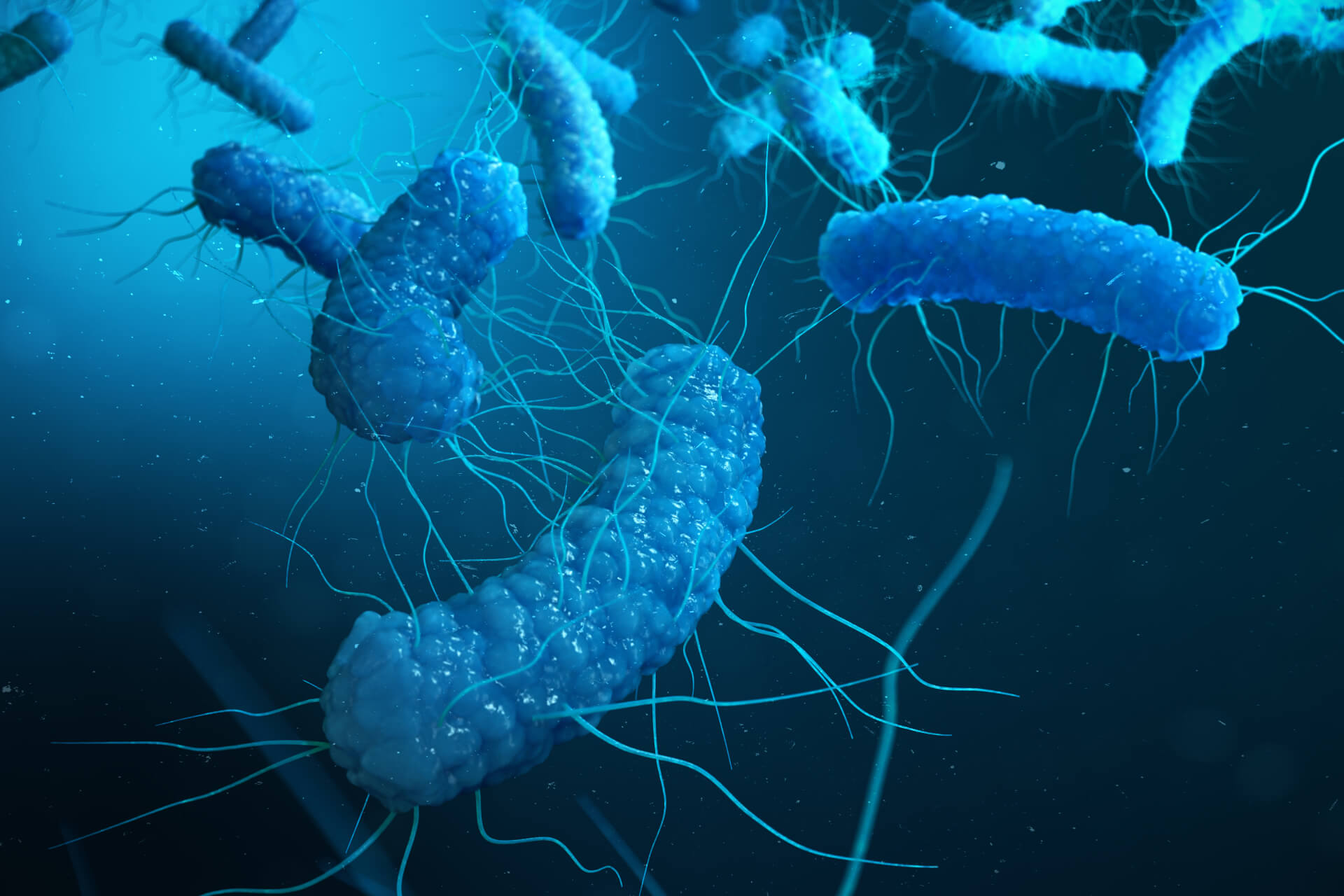
Antimicrobial resistance and fungal and bacterial persistence are increasing significantly worldwide and are major public health issues. Dealing with these issues requires integrated, interdisciplinary approaches to understanding the factors that determine the development of these phenomena. Based on the IICiMed laboratory's strategic plan, the Immunity, Microbiota and Persistence theme takes into account the clinical, field and therapeutic targeting data obtained by the "One Health approach to the study of persistence" and “Targets and new therapeutic approaches” themes. The main goal is to explore, in an integrated way, the links between resistance, microbiota and immunity that are associated with the human persistence of fungal pathogens and bacteria, multi- and highly resistant to antibiotics and antifungals.
Research areas
Our research programme, which includes fundamental, translational, clinical and medicinal chemistry aspects, is organised around three main areas:
Line 1:
Microbiota and persistence
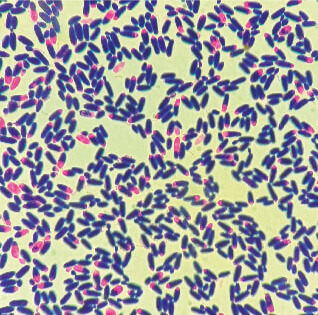
Several clinical projects in close collaboration with emergency clinicians at Nantes University Hospital (CHU) aim to implement and evaluate new strategies to improve the therapeutic management of bacterial infections, in particular by estimating the risk of resistance on an individual basis in order to target treatment more effectively and limit the intensive use of certain antibiotics (https://pubmed.ncbi.nlm.nih.gov/31997098/ and https://pubmed.ncbi.nlm.nih.gov/31257423/).
Through combinatorial experimental approaches using a mouse model with digestive dysbiosis induced by antibiotic therapy, we are studying how interactions between microbiota, hosts and antibiotics can influence the persistence of digestive colonisation by multi-resistant bacteria. (https://pubmed.ncbi.nlm.nih.gov/33777338/, https://pubmed.ncbi.nlm.nih.gov/34225544/). We are also studying the factors within these polymicrobial communities that effectively allow resistant bacteria to spread from one patient to another and yeasts to persist. Based on our knowledge of these interactions, we aim to modulate them in order to control the emergence and spread of resistant bacteria and yeasts https://pubmed.ncbi.nlm.nih.gov/31707507/, https://pubmed.ncbi.nlm.nih.gov/34679216/
https://pubmed.ncbi.nlm.nih.gov/34946183/
https://pubmed.ncbi.nlm.nih.gov/34668734/
https://pubmed.ncbi.nlm.nih.gov/34226711/
Line 2:
Immuno-fungal interaction dynamics
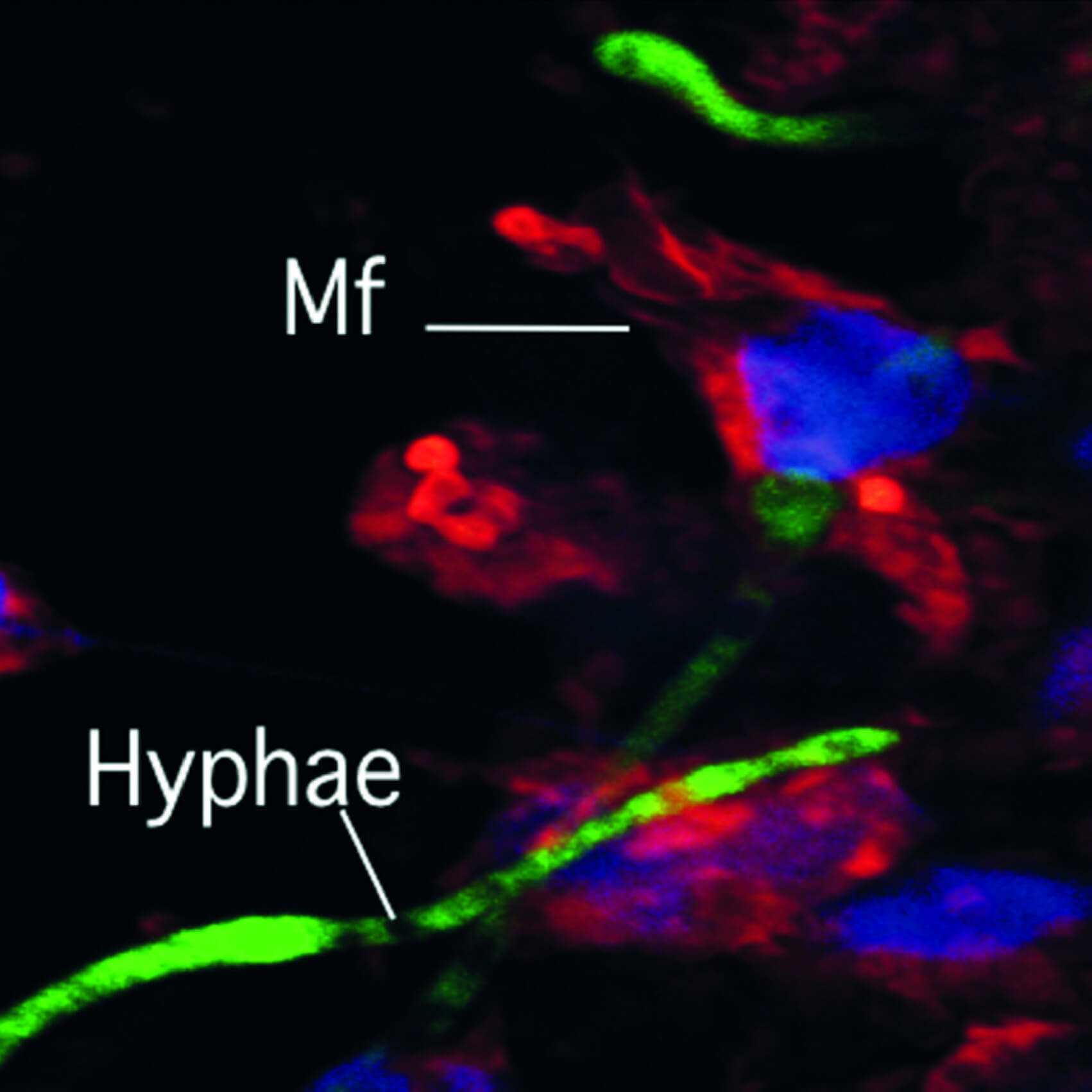
Through our experimental approaches to host-pathogen interaction (in vitro and in vivo), we are studying the fungal persistence of Candida albicans in interaction with human leukocytes (https://pubmed.ncbi.nlm.nih.gov/22768252/). Using an integrated analytical approach with a panel of Candida species, we have established immune response profiles specific to fungal persistence, as well as profiles associated with eradication of infection (https://pubmed.ncbi.nlm.nih.gov/27799331/). From a cellular point of view, by obtaining organoids of immuno-fungal infiltrates, our work makes it possible to address a long-standing question in the field of fungal pathogenesis, namely the inter-species and inter-human variability of the antifungal immune response. As part of a global approach, we are currently characterising the cellular immune response as a function of the patient's immune status in order to explore the two sides of the host-pathogen relationship involved in this resistance (https://pubmed.ncbi.nlm.nih.gov/32277137/). In particular, this work has revealed inflammatory response profiles specific to persistence, with the potential role of a minority population of double-positive circulating CD4+CD8+ T lymphocytes (DP T) and the importance of the ratio between pro- and anti-inflammatory cytokines in the immune response to C. albicans (https://pubmed.ncbi.nlm.nih.gov/31561914/). This work shows that phenotypic and genetic adaptations exist within the C. albicans species and modulate immune recognition. Substantial changes in the composition of immune cells following challenge by clinical isolates are therefore decisive in the eradication or persistence of the fungus.
Line 3:
Membrane protein networks, communication and the cellular microenvironment
This Medicinal Chemistry project is deploying a structured research programme to study the druggability of tetraspanins, transmembrane proteins that play an essential role in cell communication and signalling. These tetraspanins (Tspans = TM4SF) are transmembrane proteins with a highly conserved structure and are widely represented in mammals, plants and fungi. Given their abundance and functions in adhesion, fusion/internalisation and exosome formation, the involvement of tetraspanins in infectious processes has logically been investigated (https://pubmed.ncbi.nlm.nih.gov/33137483/). We are in the process of developing a targeting approach using original small molecules capable of interacting with these proteins, either at the extracellular loops or at the transmembrane helices and in particular at the palmitoylation sites, which could lead to the development of investigative and/or therapeutic tools in interaction with the laboratory's other themes. These molecules should be capable of disrupting the functions of tetraspanins within their membrane networks, leading to the development of potential therapeutic tools that can be used in the study and management of fungal infections by acting on both the immunological reactions against the pathogen and the cellular interactions between this pathogen and its host cells.
Autres thématiques
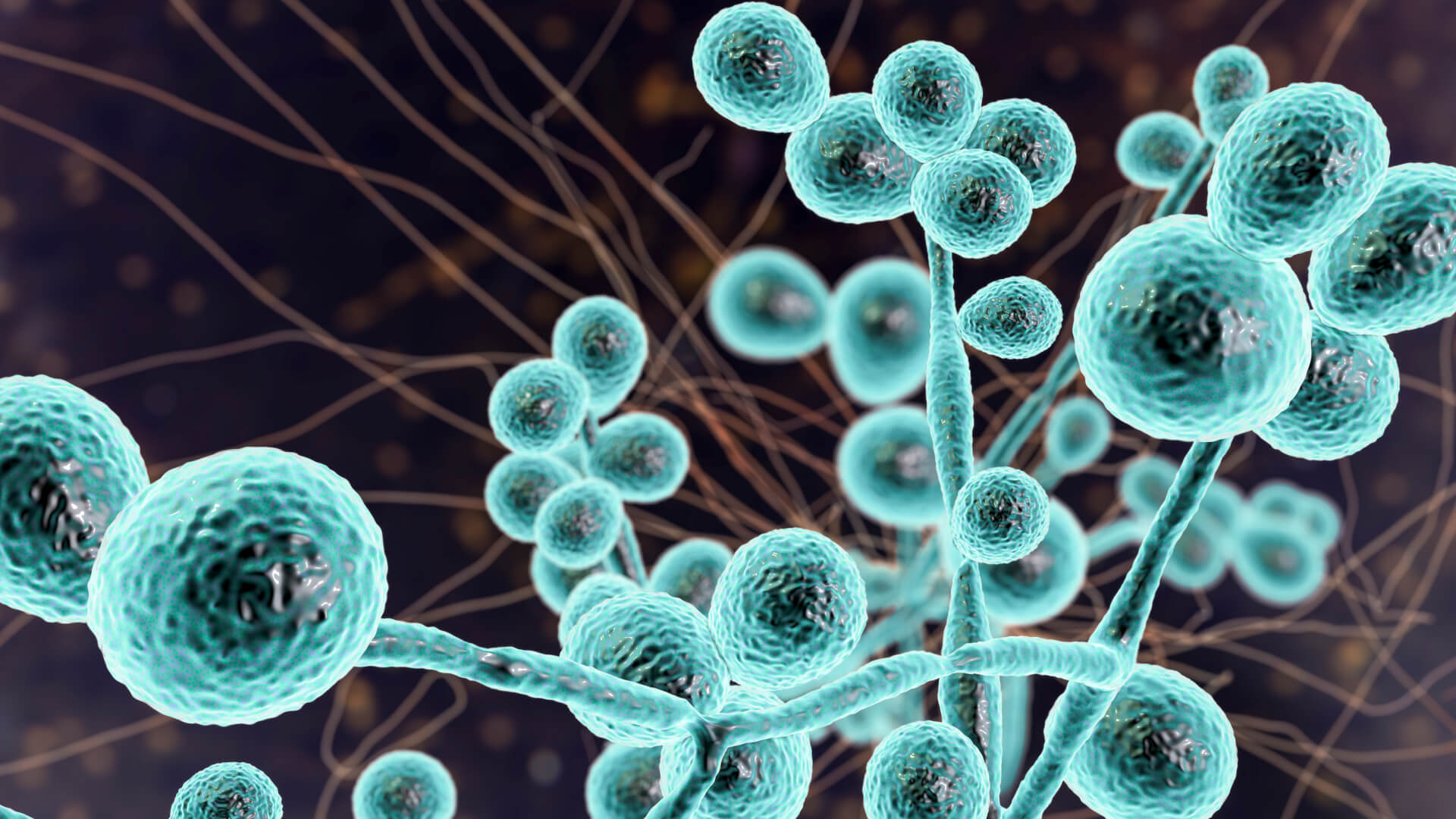
The "One Health" approach is a synergistic approach based on the interaction of human, animal and environmental healthcare into a single entity: One Health. We need to improve our knowledge and enrich the current approaches developed by UR 1155 in order to explore our unit's historical models and deal with potentially emerging infections.
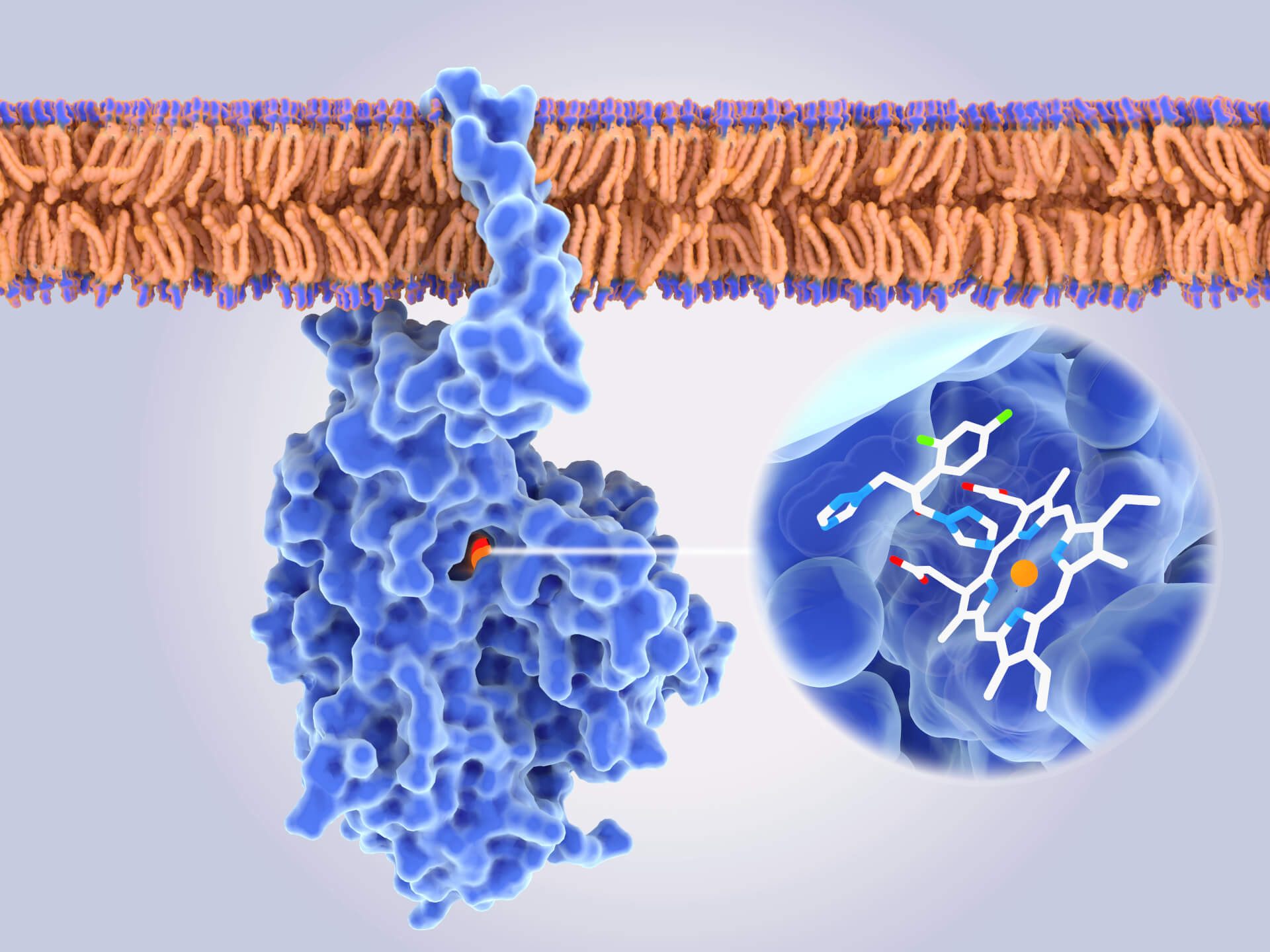
Current treatments for fungal infections are limited by antifungal resistance, toxicity and drug interactions. To overcome these limitations, new targets need to be identified for the development of antifungal compounds, which could improve our therapeutic arsenal. Our work focuses on several converging strategies: Targeting the interaction between cochaperones and Hsp90 and the calmodulin/calcineurin axis, including Crz1 and FKS. Targeting the CaPkc1 protein kinase, the protein kinase C involved in MAPK pathways, which regulates cell wall integrity during growth, morphogenesis and the response to parietal stress. Deciphering resistance mechanisms that may emerge by developing a method for anticipating the emergence of resistance in Candida (CasPER, Cas9-mediated Protein Evolution Reaction). The use of new tools for addressing active ingredients (self-immolative platforms). These are also being developed to address the problem of antibacterial resistance (ESBL, BMR), particularly in bacteria colonising the intestinal microbiota. Similarly, current treatments for leishmaniasis face the same limitations as antifungal agents (resistance, toxicity) and are few in number. Our strategy is to build, with our partners (Institut Pasteur, BioCIS, Paris) in the ANR TEXLEISH project, a new line of treatments common to the different species/clinical aspects by developing inhibitors of Leishmania CK1.