The team
Department of Bacterial Resistances
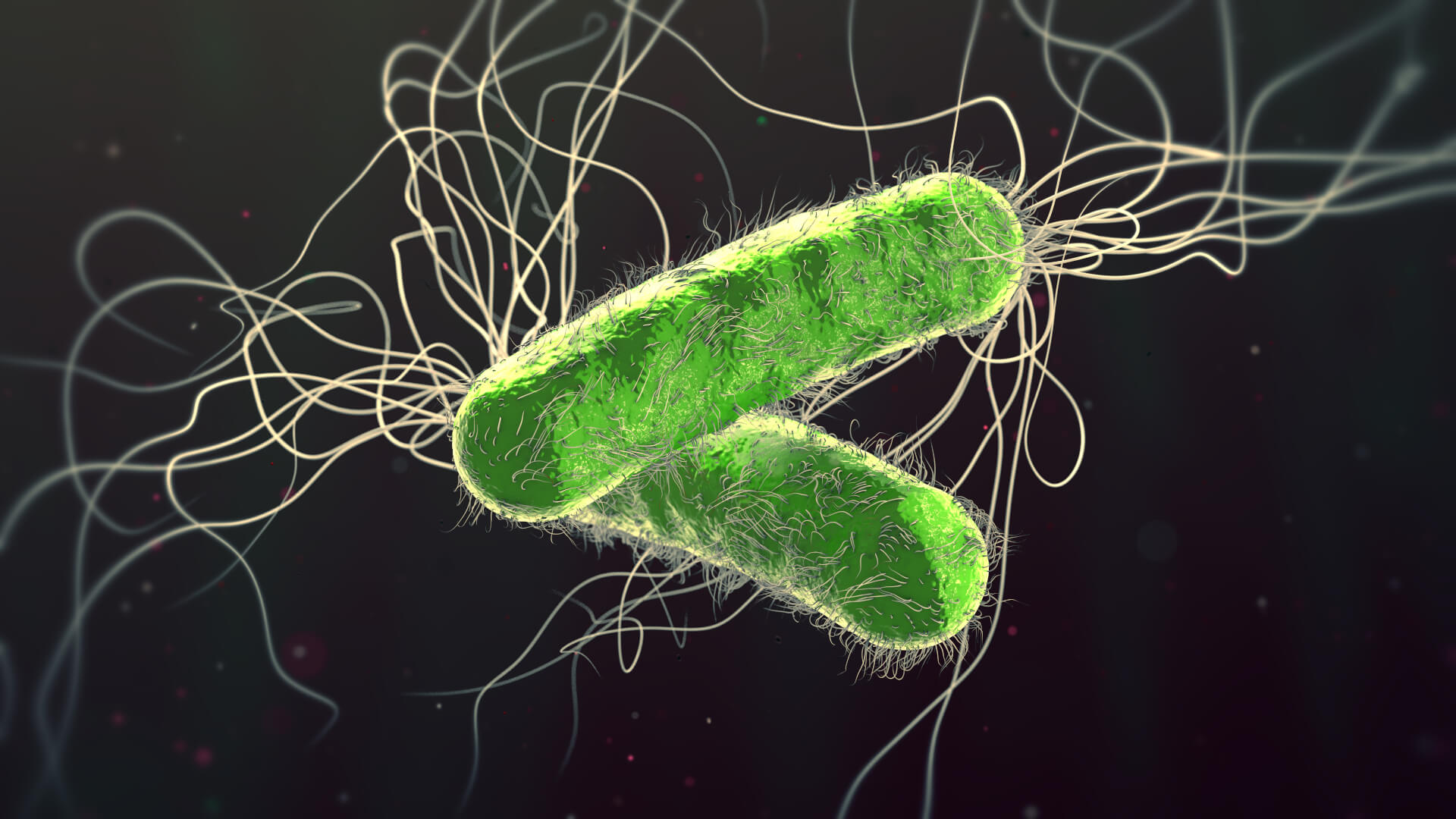
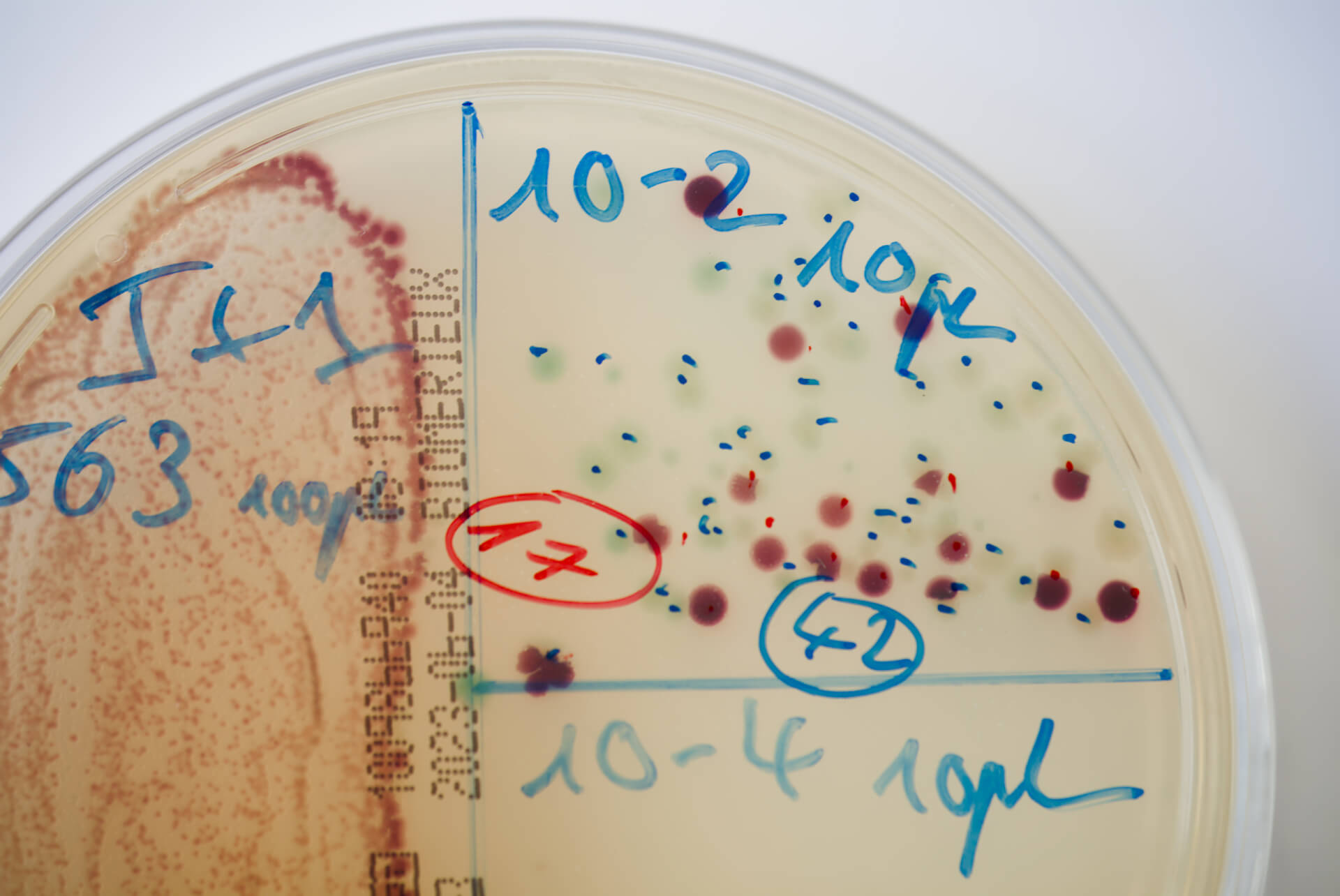
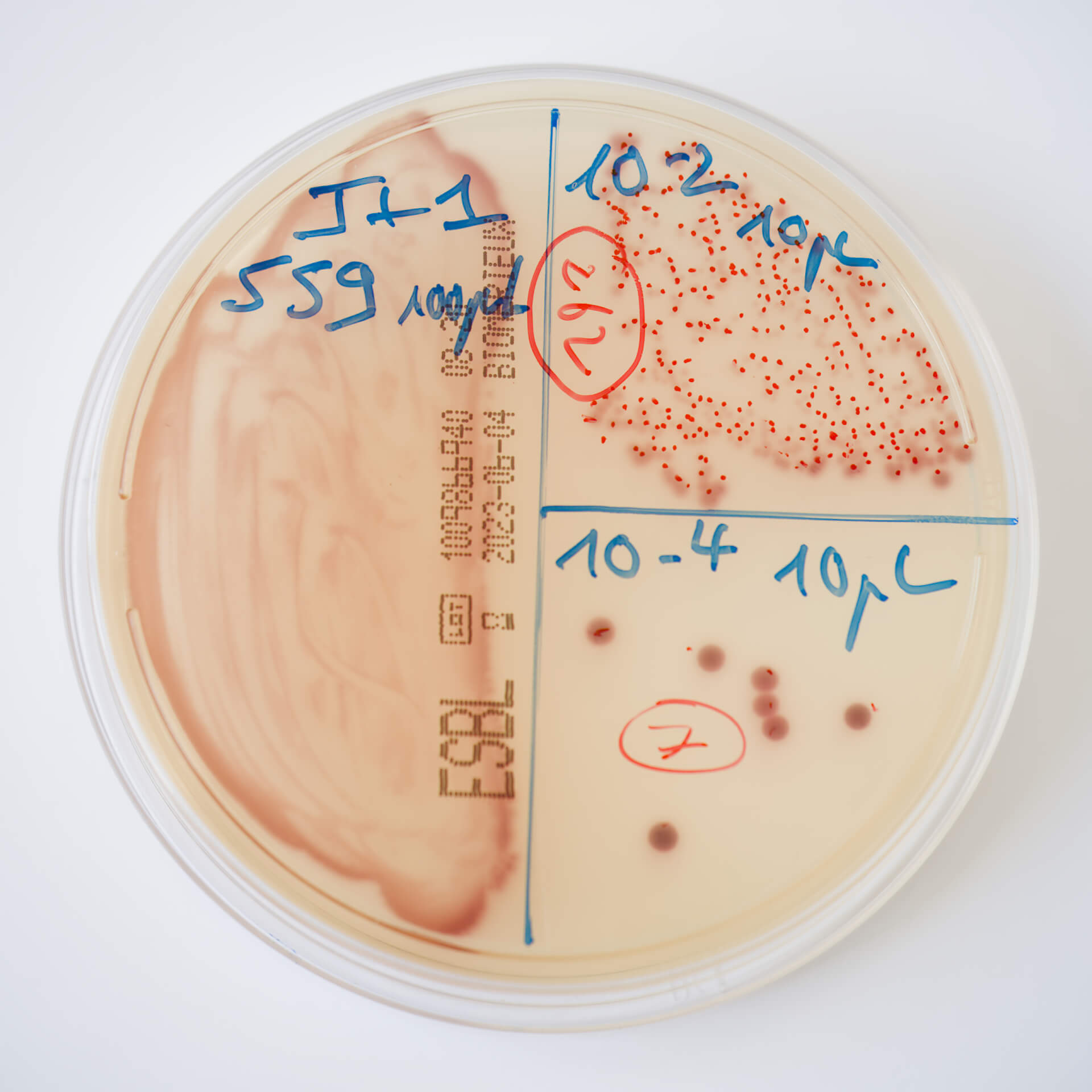
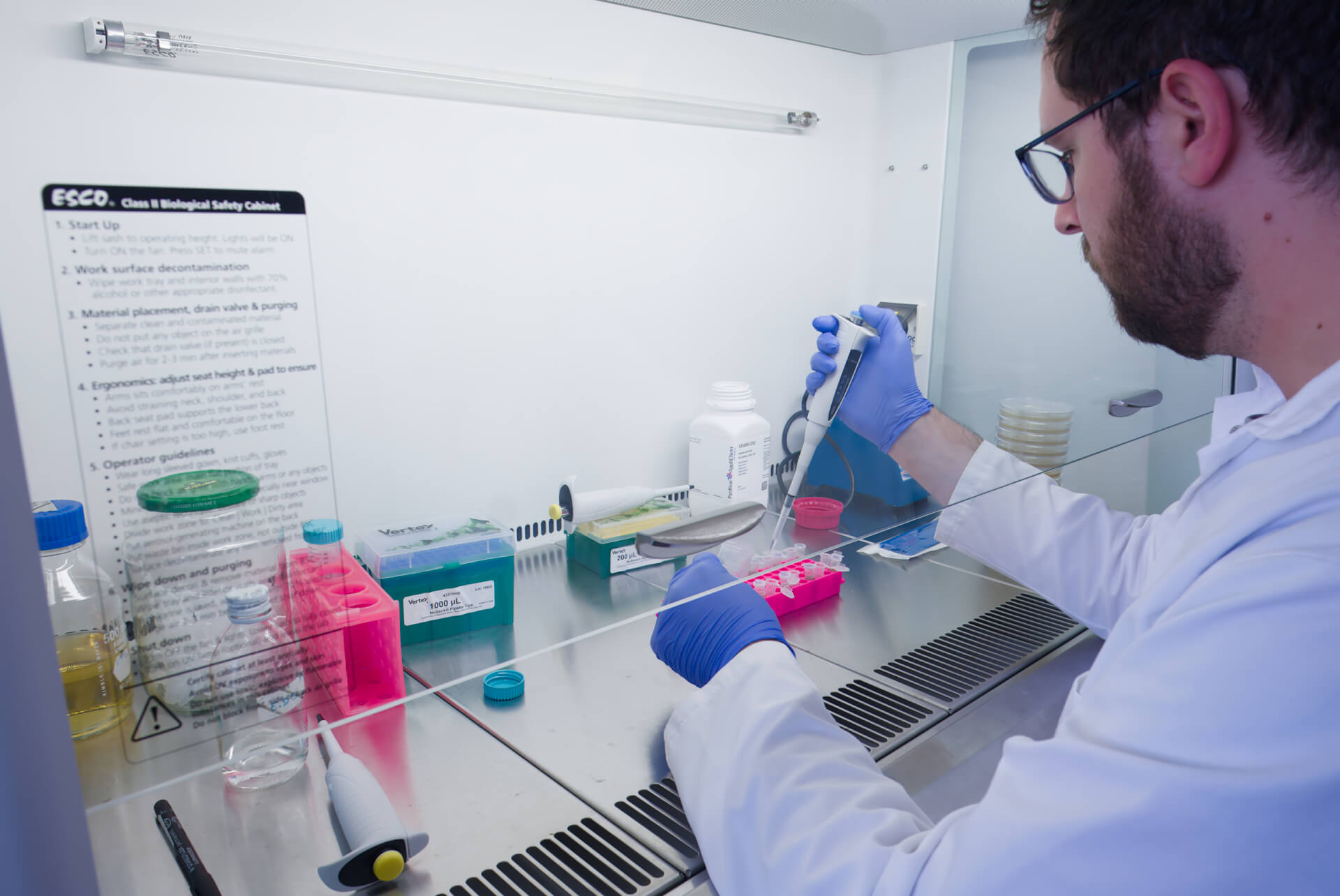
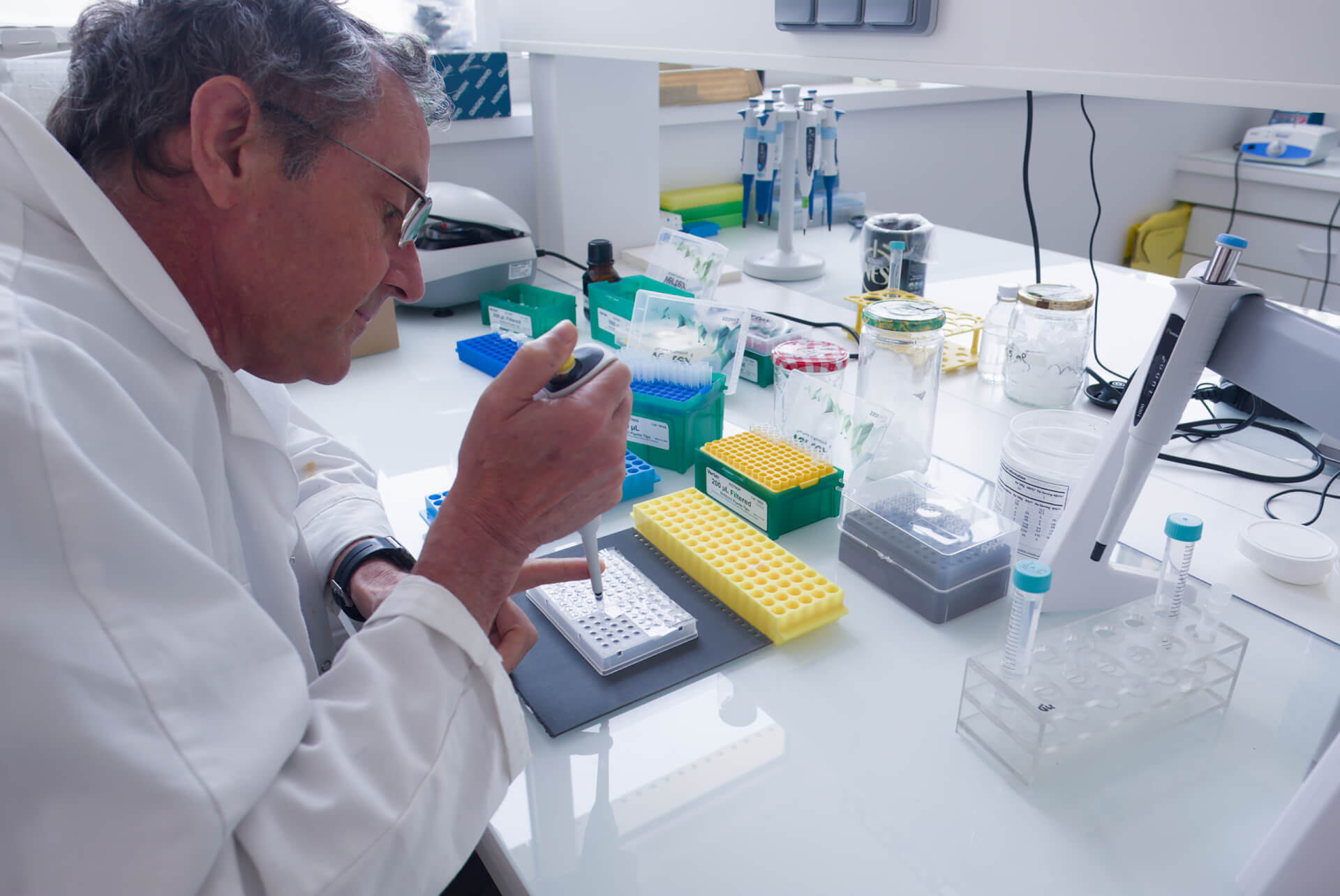
The Department of Bacterial Resistances studies how interactions between the host, its microbiota and drugs (particularly anti-infective drugs, but not exclusively) influence bacterial resistance to antibiotics. We are working in particular on digestive colonisation by multi-resistant Enterobacteriaceae, and are testing the possibility of treating this colonisation with live bacteria ('probiotics') or polysaccharides ('prebiotics'). We are also working on improving the use of antibiotics, with the aim of ensuring effective treatment of bacterial infections (particularly pneumonia and community-acquired urinary tract infections) while minimising the risk of emergence, persistence and spread of multi-resistant bacteria.
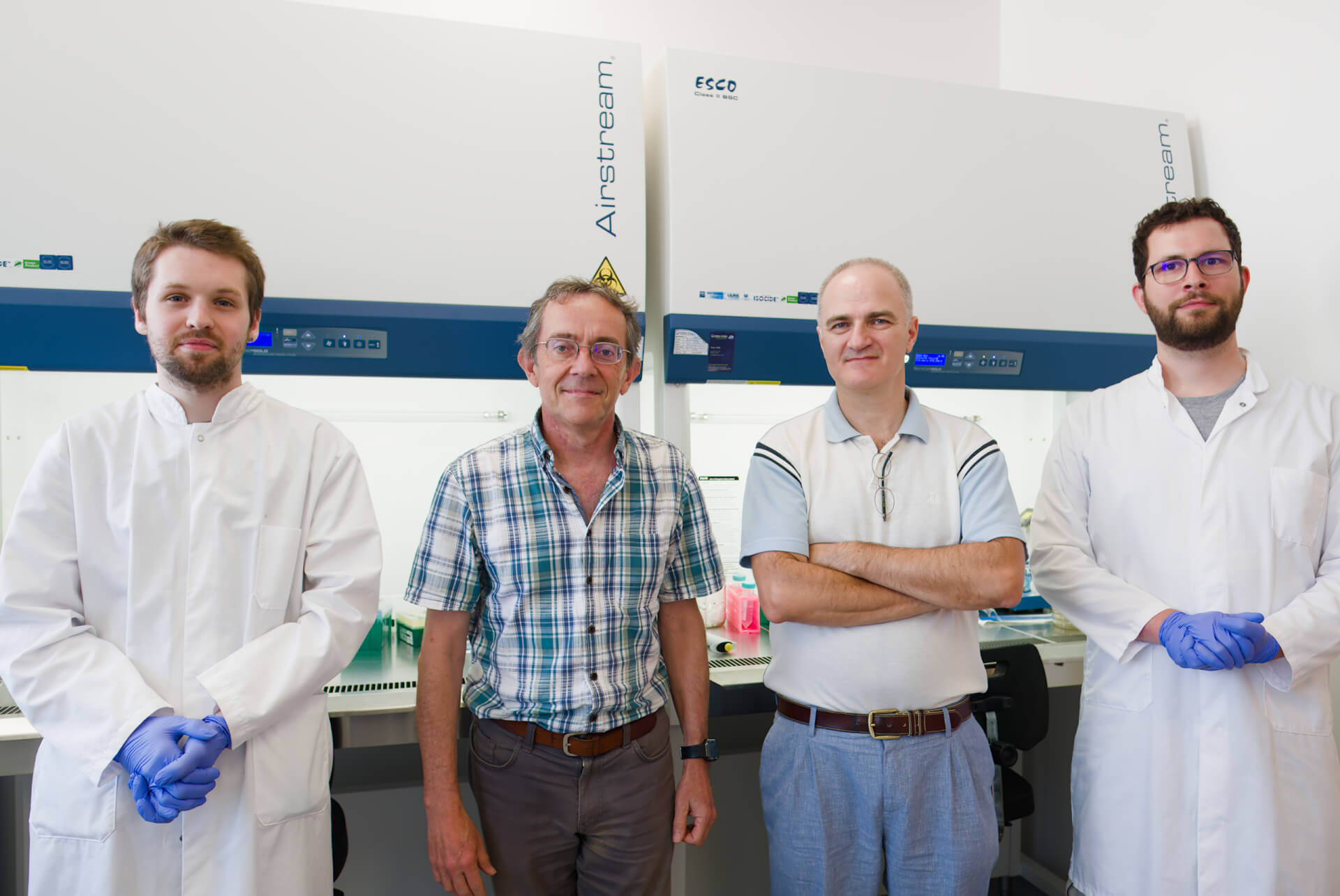
Teacher-researchers
Professor - Hospital Practitioner - Head of Department

University Hospital Assistant

Praticien Hospitalier – HDR - chaire INSERM Jr.

Hospital practitioner
Professor - Hospital Practitioner
Professor - Hospital Practitioner

Professeur Emérite

Professor - Hospital Practitioner

Associate Professor - Hospital practitioner
Associate Researcher - Hospital practitioner

University Hospital Practitioner
Assistant Professor – Hospital Practitioner
Professor - Hospital Practitioner
Associate Researcher - Hospital practitioner

Engineer PhD
Technical staff

Engineer

Engineer
PhD students




Other departments
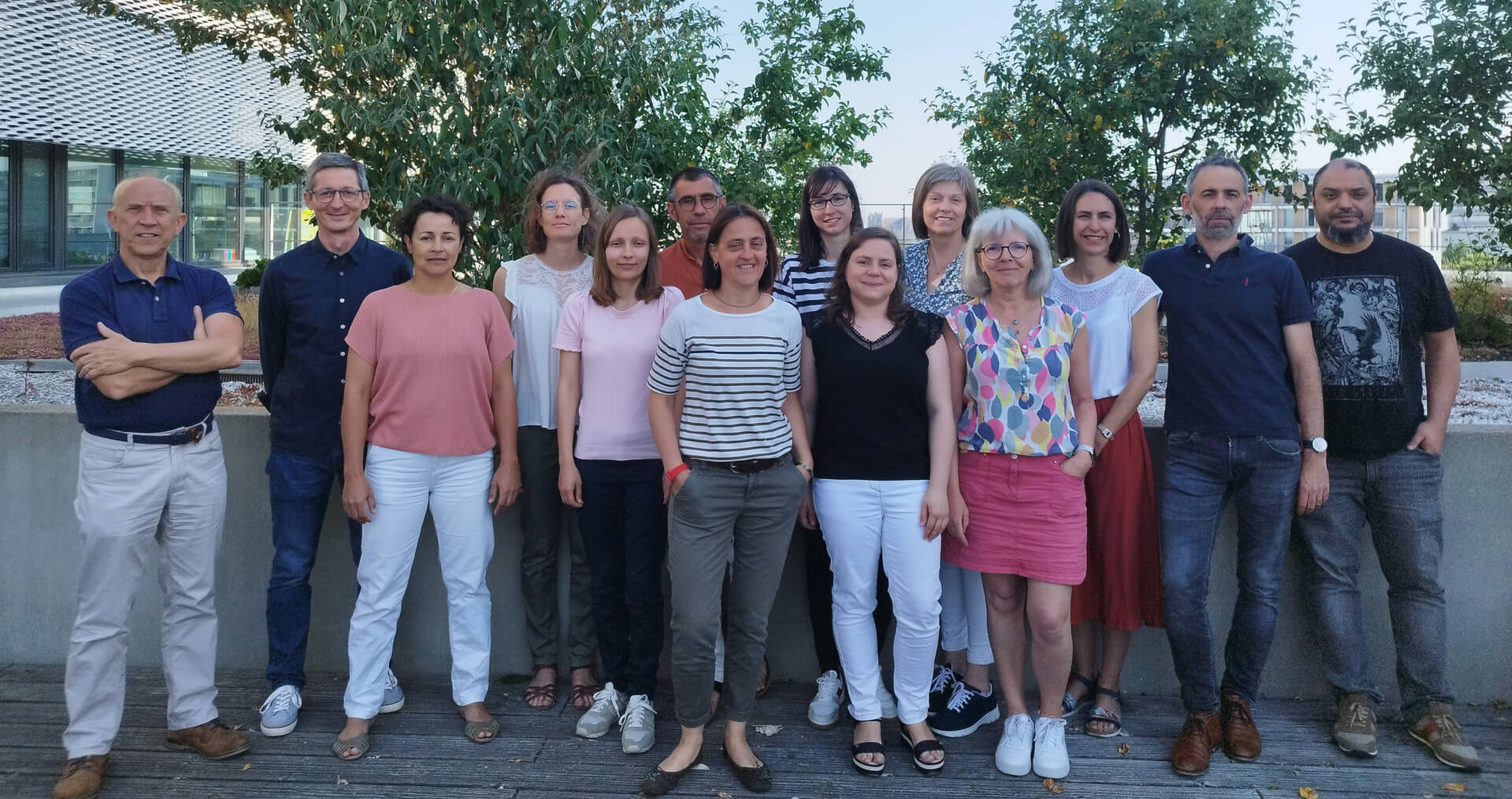
The Department of Medical Mycology and Parasitology is supported by university and hospital-university staff, enabling it to focus on health-related issues. Research strategies benefit from expertise in cell culture, signalling, molecular biology, immunology applied to microbiology, recombinant protein production (P2R platform) and in vivo models. Its activities focus mainly on resistance issues and the discovery of new therapeutic targets.
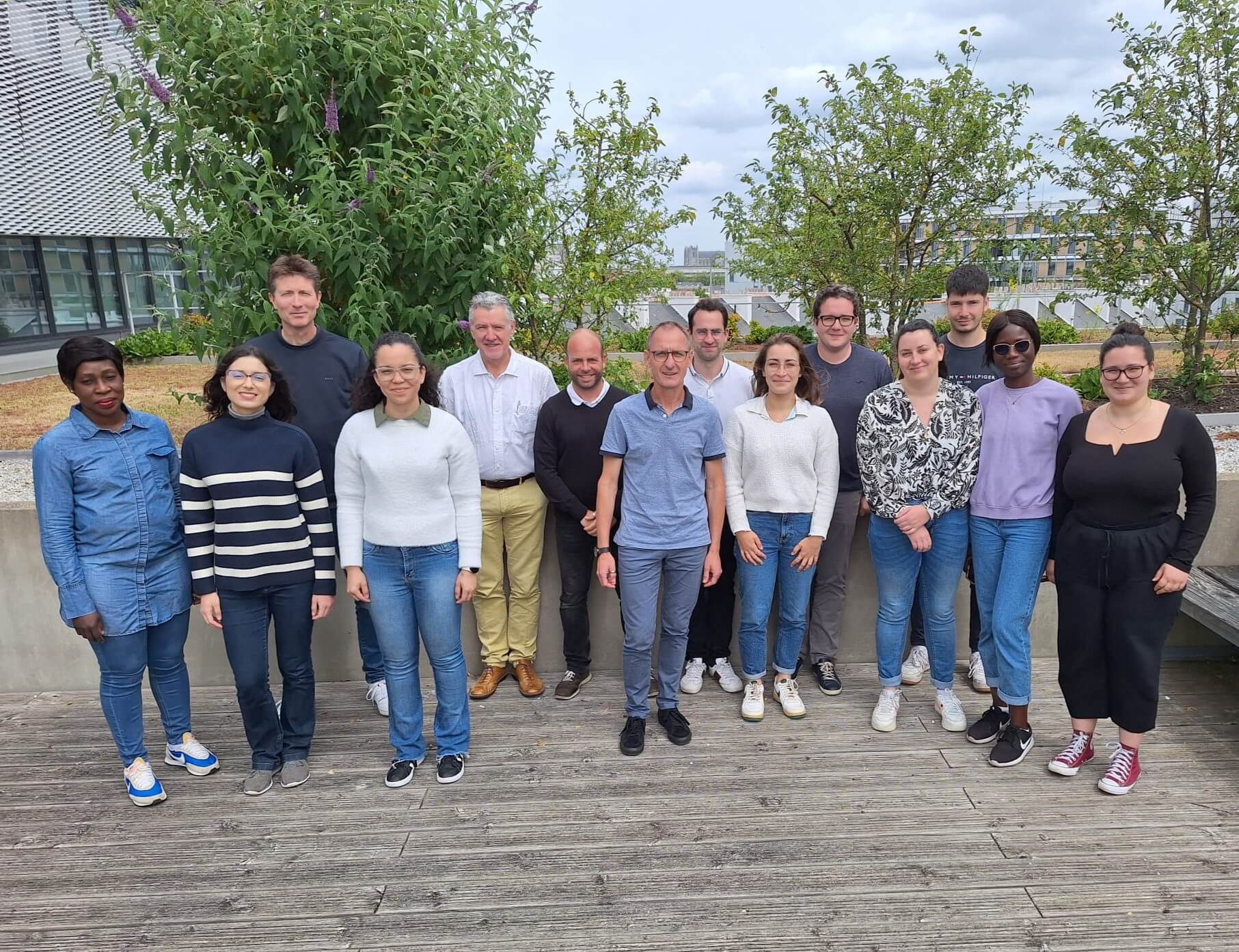
The department of Medicinal Chemistry is involved in Drug Discovery, i.e. the design, synthesis, purification, structural elucidation and study of structure-activity relationships of original heterocyclic molecules as antifungal, antiparasitic and antibacterial drug candidates. The physicochemical and ADME-Tox properties of compounds of biological interest are also discussed in all the projects.