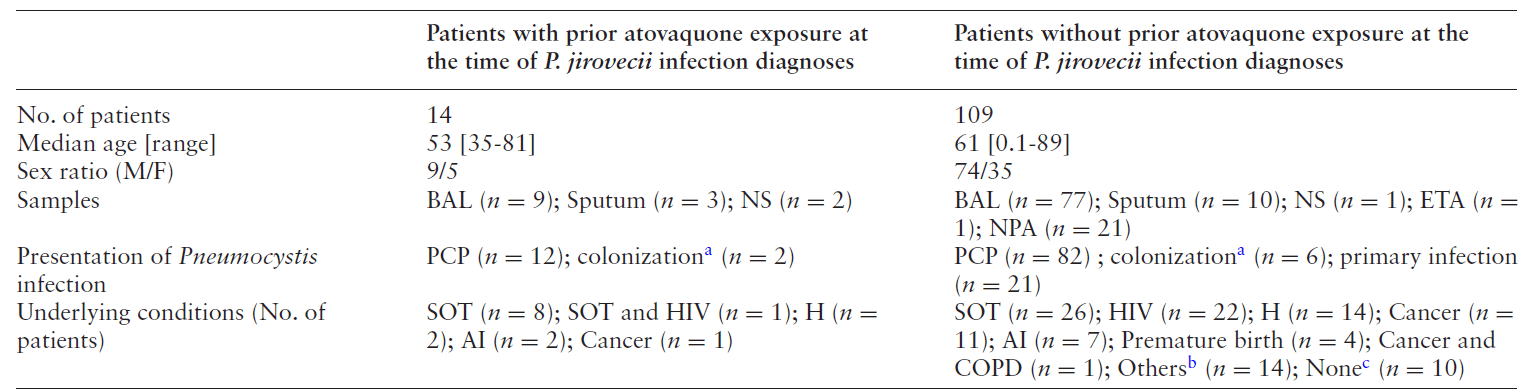
Characteristics of 123 patients with or without prior atovaquone exposure at the time of P. jirovecii infection diagnoses.
P276
Med. Mycol. 2023, 61, myad095.
Atovaquone exposure and Pneumocystis jirovecii cytochrome b mutations: French data and review of the literature.
https://doi.org/10.1093/mmy/myad095
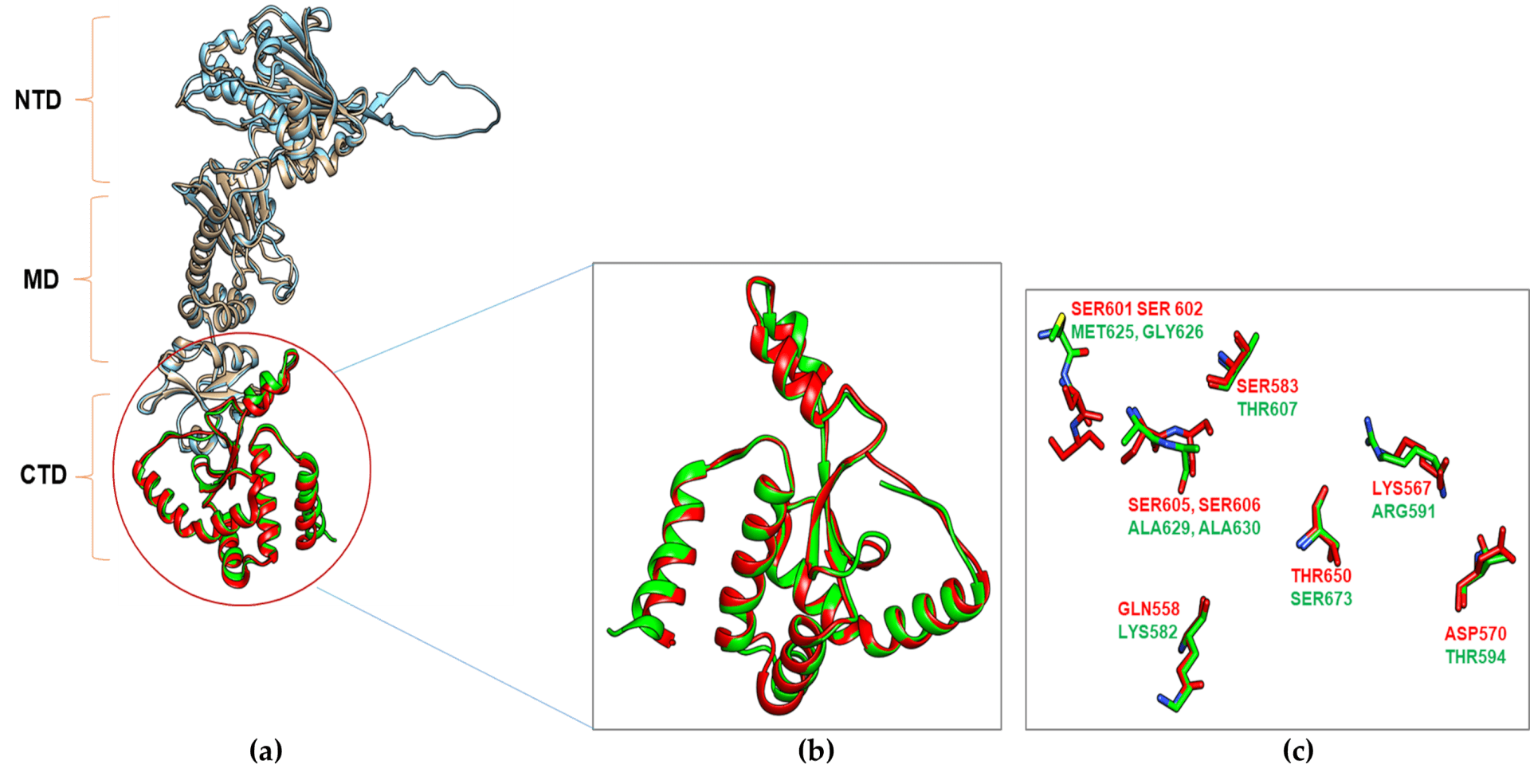
Structure superposition of HSP90 Homo sapiens (pdb id: 7L7I) with Candida albicans HSP90 model obtained from AlphaFold prediction.
P275
Microorganisms 2023, 11, 2837.
Is the C-terminal domain an effective and selective target for the design of Hsp90 inhibitors against Candida yeast?
https://doi.org/10.3390/microorganisms11122837
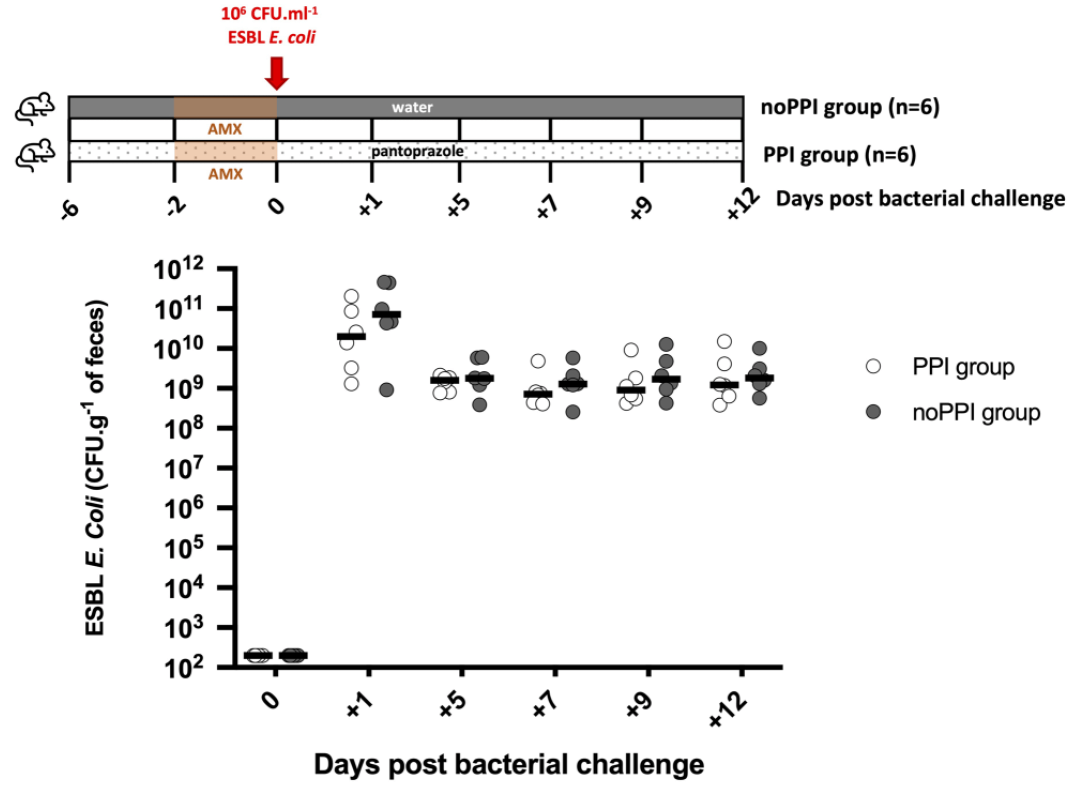
ESBL E . coli fecal titers of model 1 (high inoculum, no wash-out): AMX, amoxicillin; PPI, proton pump inhibitor.
P274
J. Appl. Microbiol. 2023, lxad223.
Pantoprazole promotes sustained intestinal carriage of multi-drug resistant Escherichia coli in amoxicillin-treated mice.
https://doi.org/10.1093/jambio/lxad223
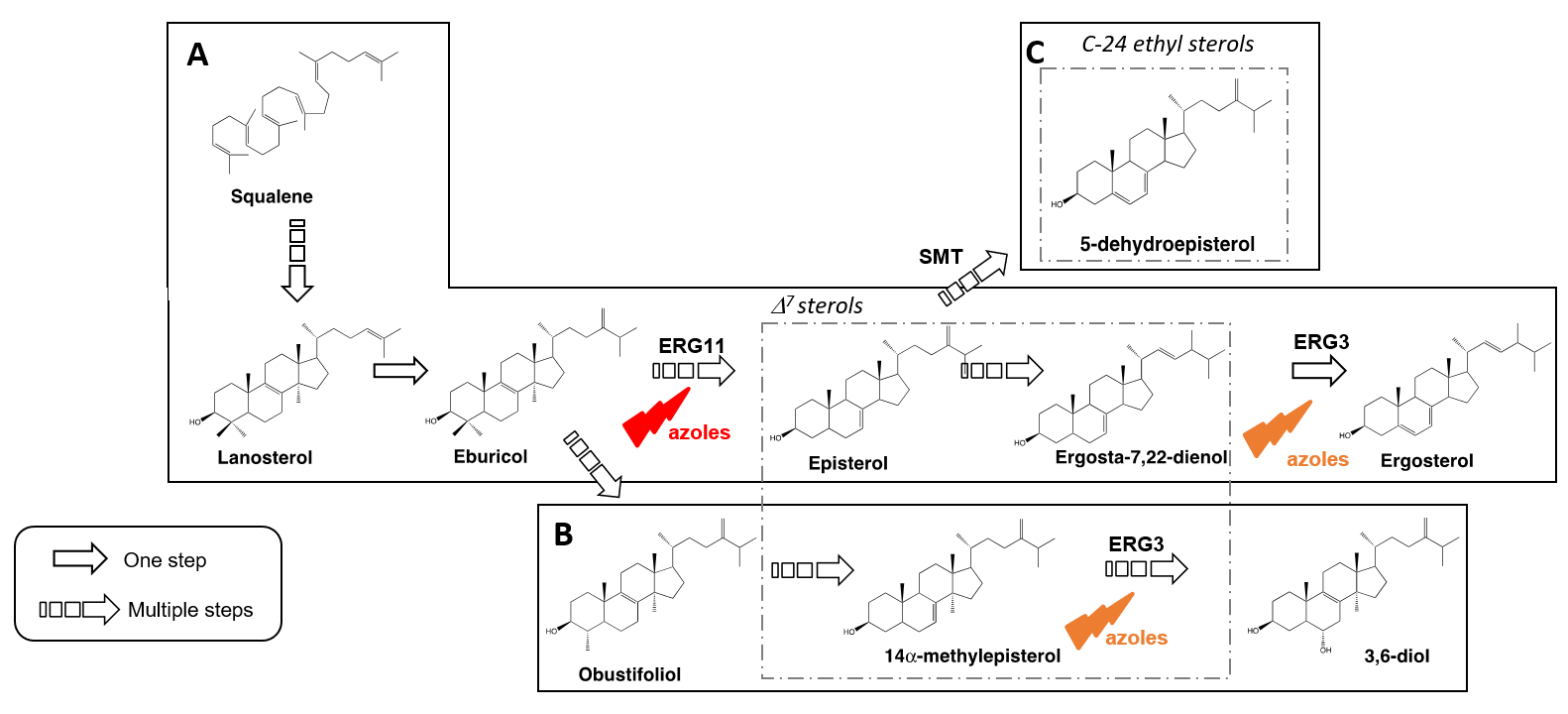
Fungal sterol analyses by gas chromatography–mass spectrometry using different derivatives.
P273
In: Barreiro, C., Barredo, JL. (eds) Microbial Steroids. Methods in Molecular Biology, vol 2704. Humana, New York, NY. 2023
Fungal Sterol Analyses by Gas Chromatography–Mass Spectrometry Using Different Derivatives.
https://doi.org/10.1007/978-1-0716-3385-4_8

P272
EMC Maladies Infectieuses, 2023
Les bactéries hautement résistantes aux antibiotiques émergentes et leur prévention.
doi: 10.1016/S1166-8598(23)47346-2
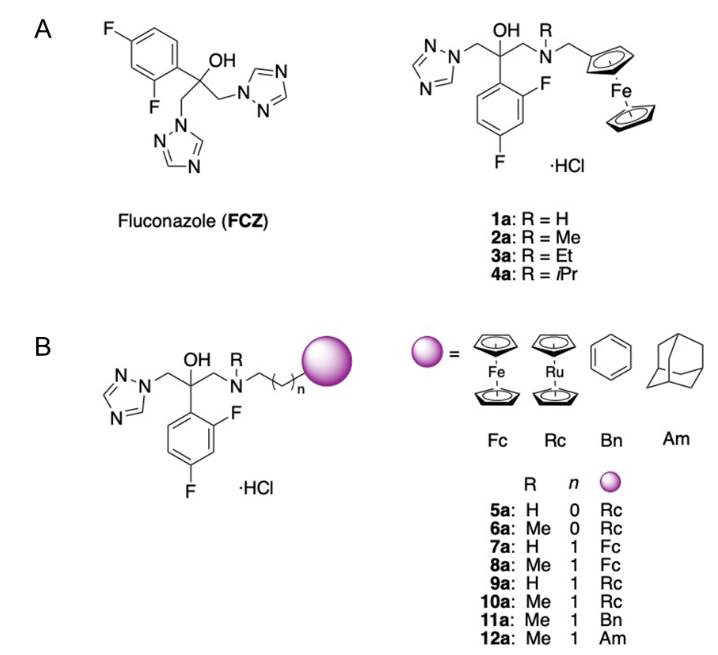
(A) The structure of FCZ and its derivatives 1a-4a was reported in the previous work. (B) The structures of newly developed FCZ derivatives 5a-12a have been developed in this study.
P271
J. Med. Chem. 2023.
Discovery of new broad-spectrum anti-infectives for eukaryotic pathogens using boorganometallic chemistry.
https://doi.org/10.1021/acs.jmedchem.3c01333

P270
J. Fungi 2023, 9, 430.
The mortality attributable to candidemia in C. auris is higher than that in other Candida species: Myth or reality?
https://doi.org/10.3390/jof9040430
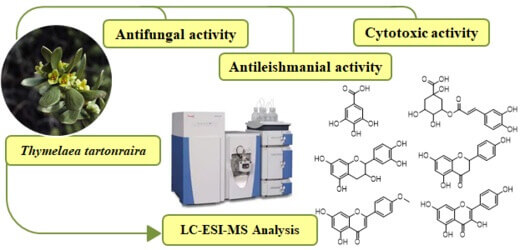
Biological activities of Thymelaea tartonraira (L.) All. Extracts.
P269
Nat. Prod. Res. 2023
Phytochemical, antileishmanial, antifungal and cytotoxic profiles of Thymelaea tartonraira (L.) All. extracts.
https://doi.org/10.1080/14786419.2023.2252153
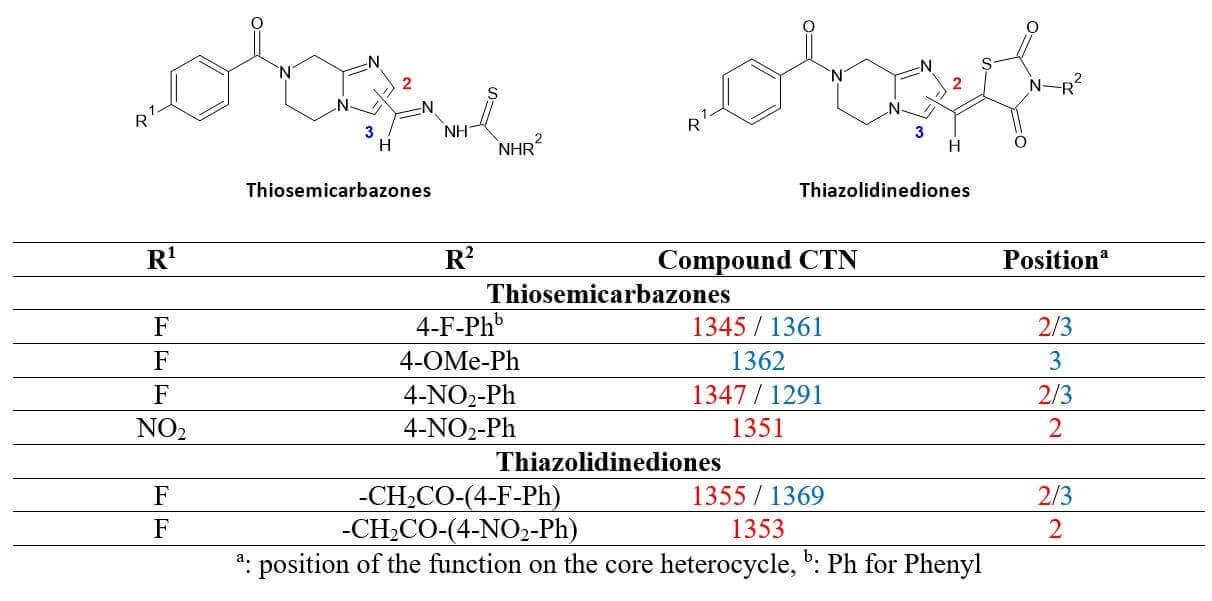
Pharmacomodulation of the 5,6,7,8-tetrahydroimidazo[1,2-a]pyrazine core structure.
P268
Future Microbiol. 2023, 18, 1225-1233.
Antifungal efficacy of imidazo[1,2-a]pyrazine based thiosemicarbazones and thiazolidinediones against Sporothrix species.
https://doi.org/10.2217/fmb-2023-0044
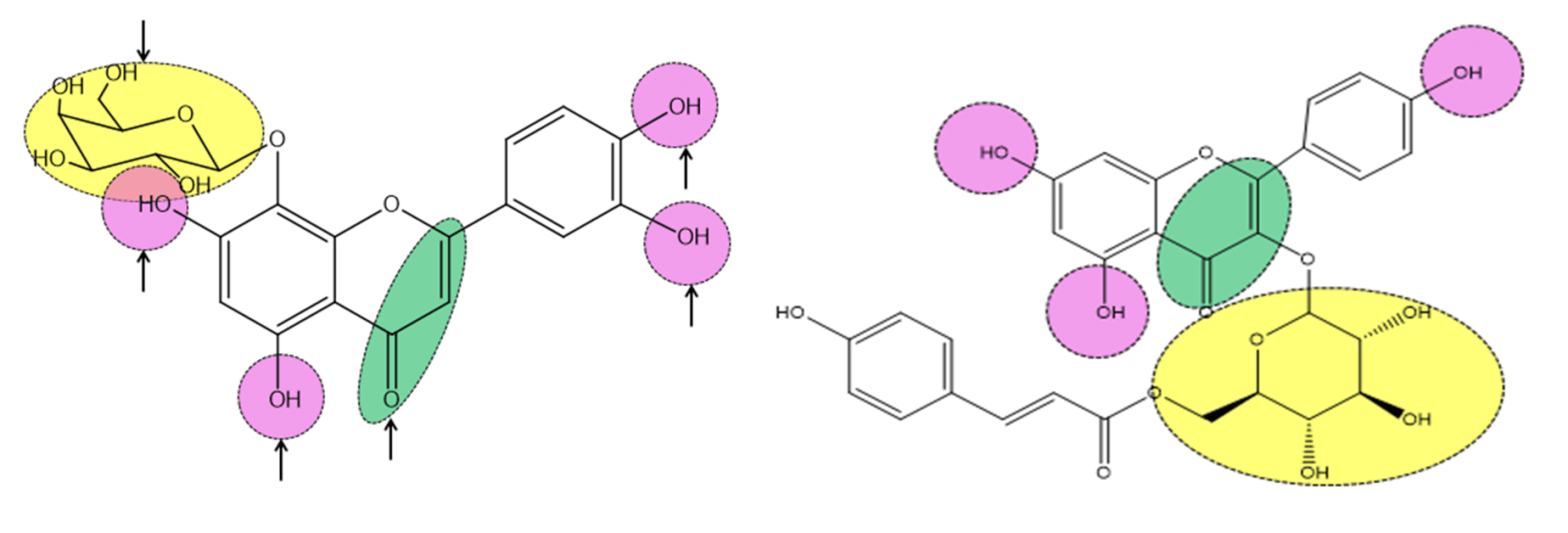
Structure-Activity Relationship: Up arrows represent increasing α-amylase inhibitory.
P267
Chem. Biodivers. 2023, 20, e202200944;
New specific α-glucosidase inhibitor flavonoid from Thymelaea tartonraira leaves: structure elucidation, biological and molecular docking studies.
https://doi.org/10.1002/cbdv.202200944
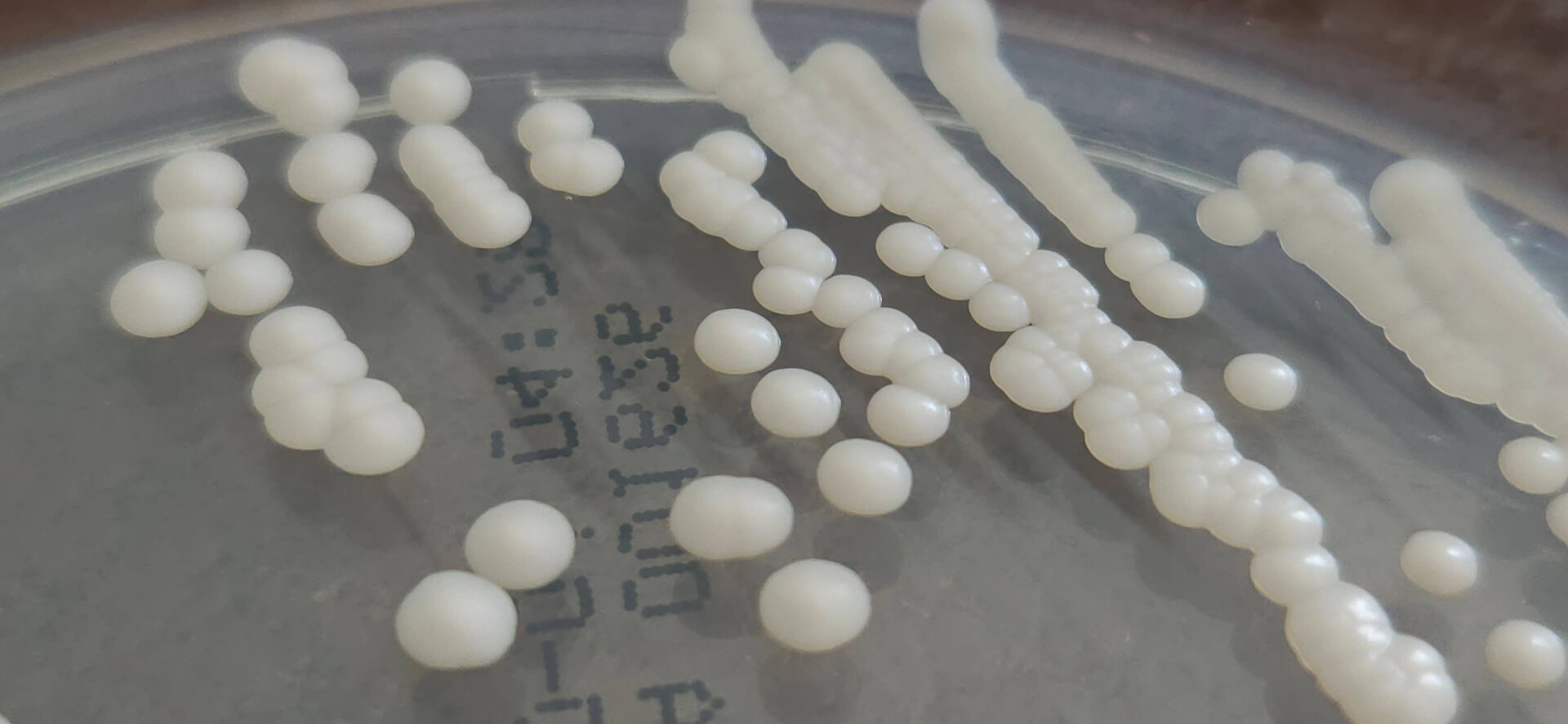
Yarrowia lipolytica Clinical Isolate CBS 18115
P266
Microbiol. Resour. Announc. 2023, 12, e0126022.
Draft Genome Sequence of the Fluconazole-Resistant Yarrowia lipolytica Clinical Isolate CBS 18115.
https://doi.org/10.1128/mra.01260-22
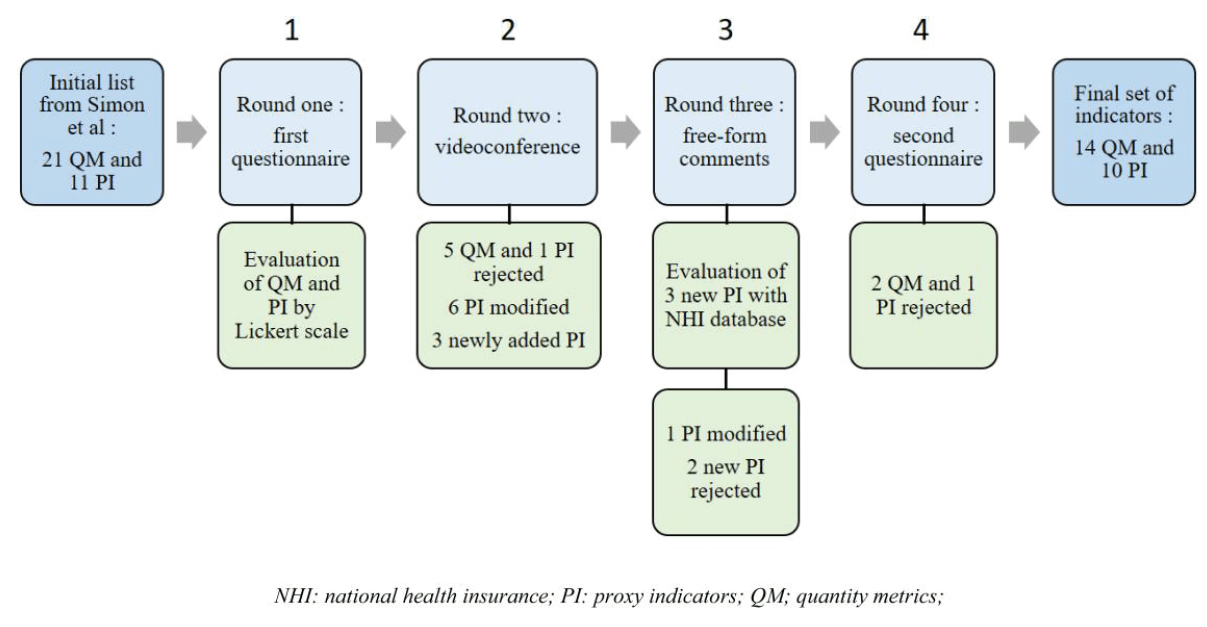
Flow chart of the Delphi consensus procedure.
P265
JAC Antimicrob. Resist. 2023, 5.
Expert consensus on monitoring antimicrobial stewardship in French nursing homes using assessed reimbursement database indicators.
https://doi.org/10.1093/jacamr/dlad037
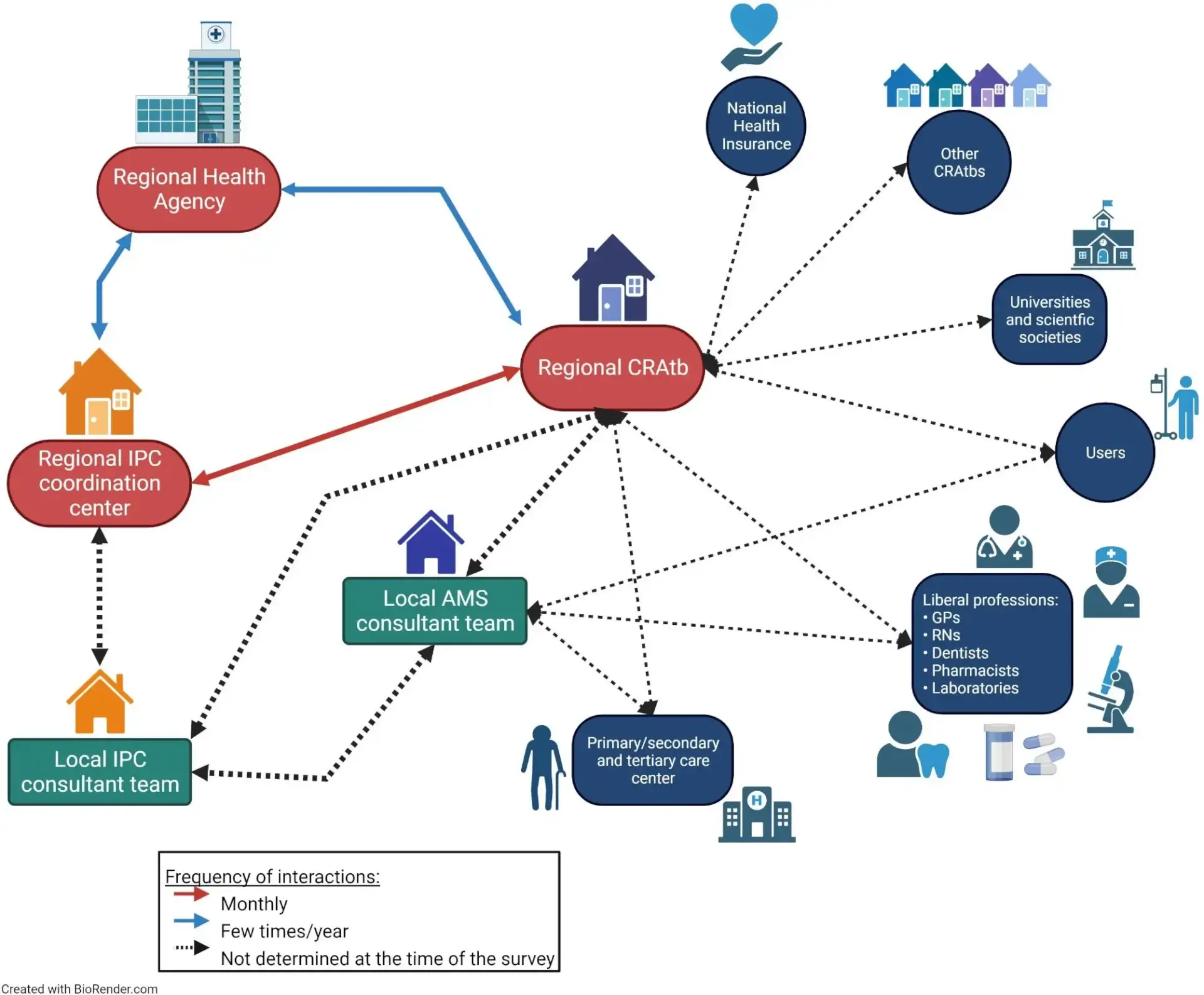
Description of collaborations engaged by the CRAtb with the actors involved in the prevention of antibiotic resistance.
P264
Antimicrob. Resist. Infect. Control. 2023, 12:41.
Qualitative assessment of the national initiative to implement antimicrobial stewardship centres in French administrative regions.
https://doi.org/10.1186/s13756-023-01245-9
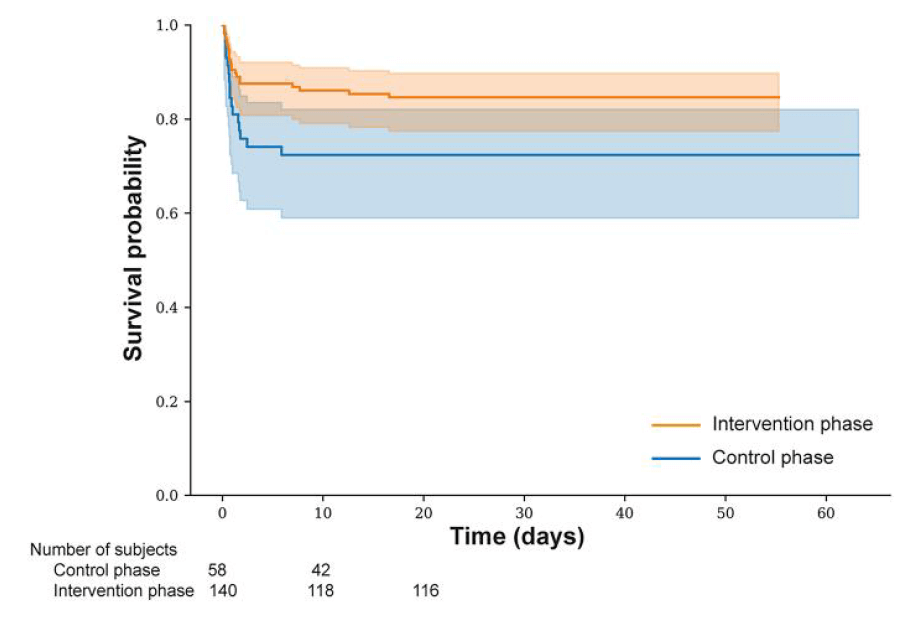
Cumulative incidence curves for the probability of death in the pre-intervention and the intervention periods.
P263
J. Antimicrob. Chemother. 2023, 78, 1378-1385.
A multifaceted strategy to optimize pharmacokinetics of antimicrobial therapy in patients with hospital-acquired infections-a monocentre quality improvement project.
https://doi.org/10.1093/jac/dkad094
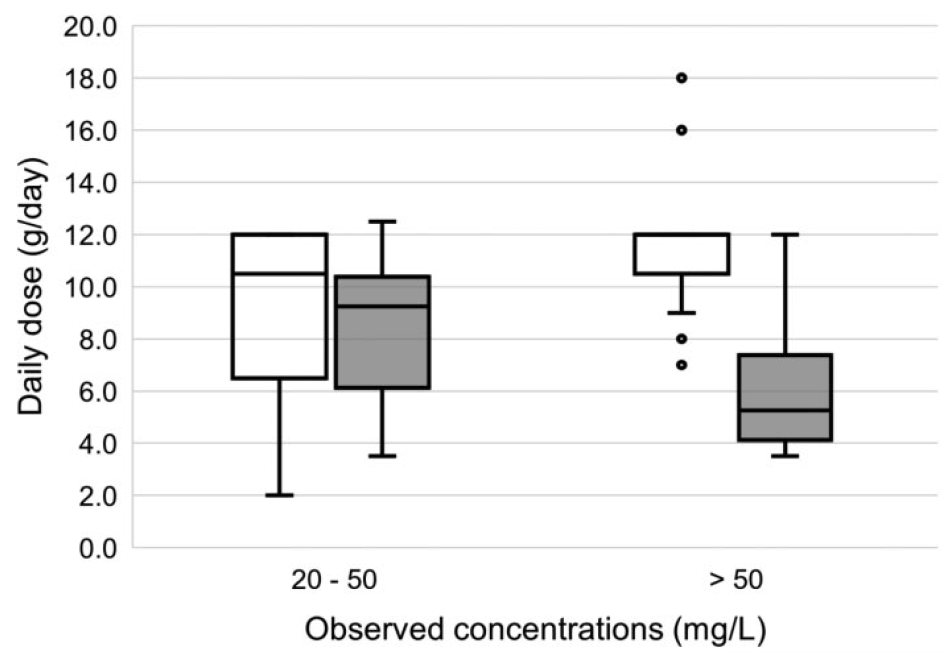
Distributions of initial daily doses administered to patients from the validation dataset with aGFR between 20 and 125 mL/min (pale boxes), and of calculated doses with the nomogram for the same patients (shaded boxes). n=12 for the 20–50 mg/L category and n=20 patients for the >50 mg/L category. Only one patient had a cloxacillin level below 20 mg/L (data not plotted).
P262
J. Antimicrob. Chemother. 2023, 78, 965-974.
Development and validation of a dosing nomogram for continuous infusion cloxacillin in infective endocarditis.
https://doi.org/10.1093/jac/dkad030
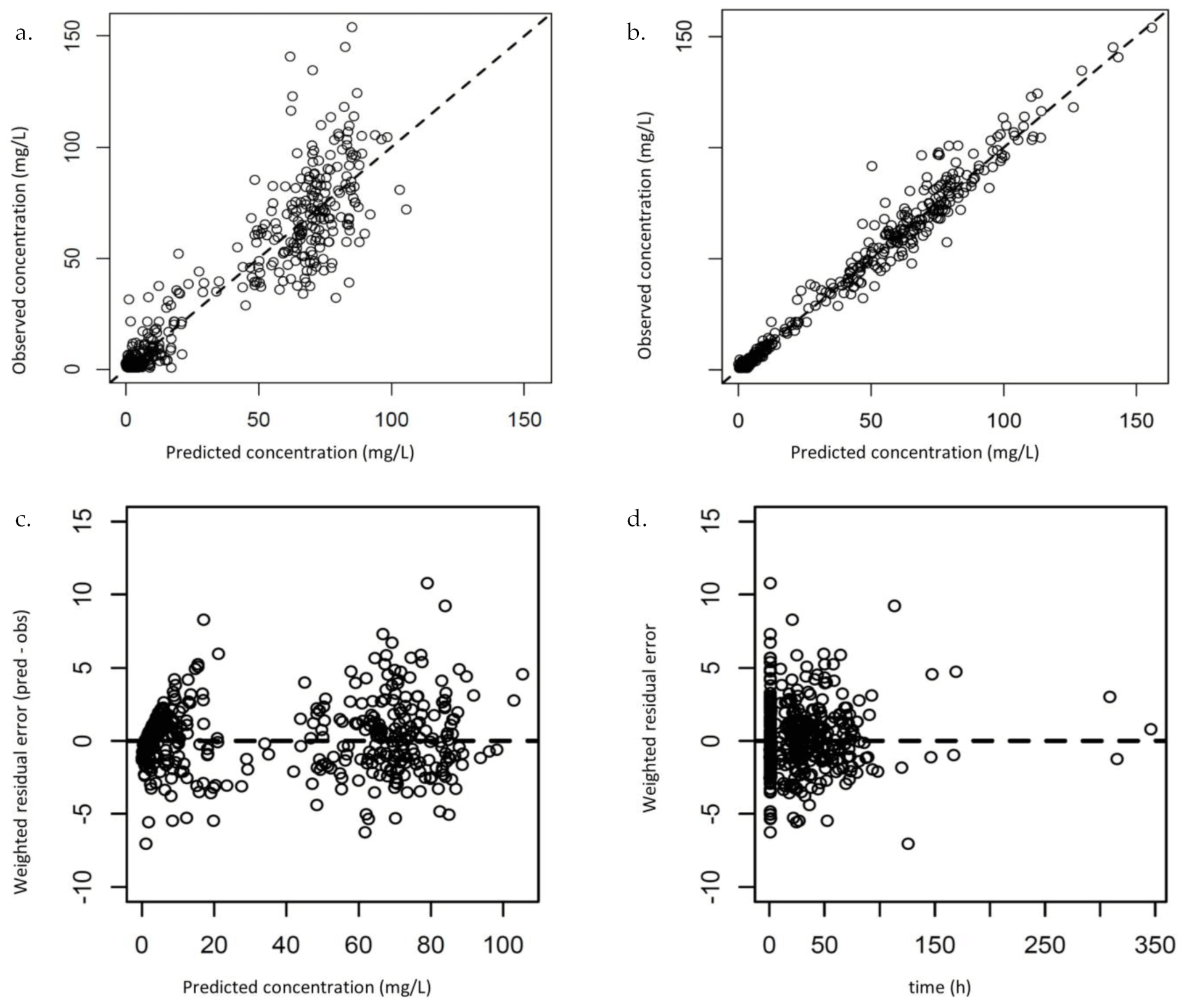
Observed versus population-predicted amikacin concentrations (a) and individual-predicted amikacin concentrations (b). Weighted residual error plotted against predicted concentrations (c) and time (d) for population predictions.
P261
Antibiotics 2023, 12,123.
Development of a Predictive Dosing Nomogram to Achieve PK/PD Targets of Amikacin Initial Dose in Critically Ill Patients: A Non-Parametric Approach.
https://doi.org/10.3390/antibiotics12010123
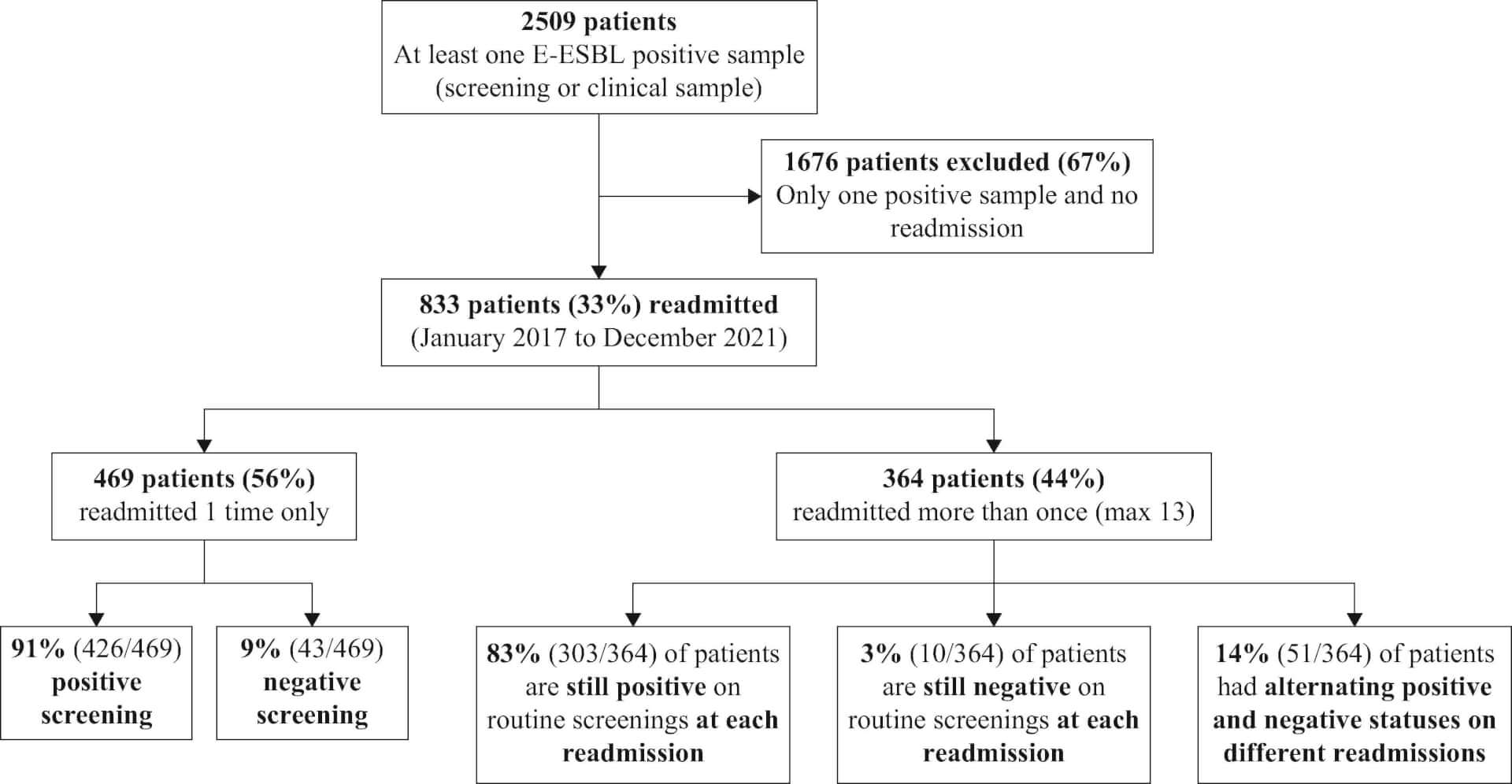
Flow chart for extended-spectrum β-lactamase-producing Enterobacterales (E-ESBL) status at hospital readmission in patients with a history of E-ESBL colonization.
P260
J. Hosp. Infect. 2023, 131, 126-128.
Systematic screening for digestive carriage of extended-spectrum β-lactamase-producing Enterobacterales (E-ESBL) at hospital readmission among patients with past history of E-ESBL colonization or infection.
https://doi.org/10.1016/j.jhin.2022.10.004